Introduction
A tooth does not have to stop working before its condition deserves attention. At the same time, a large filling or occasional sensitivity does not automatically mean a crown is needed.
That is what makes the decision more complicated.
Teeth can remain surprisingly functional despite years of prior dental work.
- A molar may still handle everyday chewing even after much of its original structure has been replaced by restorative material.
- Another tooth may have a weakened cusp that has not yet fully fractured.
- A third may look heavily restored but remain stable enough for a different approach.
For patients researching dental crowns in Aubrey, TX, the useful question is not simply: “Can I still use this tooth?”
It is: “What condition is the tooth in while I am using it?”
That distinction matters because function and structural condition are related but not identical.
A tooth can hurt and still not need a crown.
A tooth can feel comfortable and still require significant restoration.
The decision depends on what the dentist finds after evaluating the extent of decay, cracks, existing fillings, remaining tooth structure, bite forces, symptoms, and the tooth’s ability to be predictably restored.
In this guide, we will explore what dental crowns are, why a functioning tooth may still need broader restoration, common reasons crowns are recommended, and what patients can expect during treatment.
A Tooth Can Keep Working Even as Its Structural Margin Becomes Smaller
A broken tooth does not come with a dashboard warning.
There is no light that turns red when one cusp becomes too weak. No countdown appears beside an old filling so patients judge teeth by what they can feel.
However, not every broken tooth needs a crown.
A small chip may be treated differently from a large fracture involving a major portion of the tooth.
A crown may be considered in selected cases to provide broader coverage around a restorable tooth. However, a crack extending too far may compromise the treatment approach.
For visible teeth, tooth-colored materials may be considered when appropriate. Patients exploring porcelain crowns in Aubrey, TX, should understand that the choice of material is not based on appearance alone. Strength requirements, bite, tooth position, and the specific case also matter.
How Does Dental Crown Treatment Work?
1. Examination
The dentist evaluates the tooth and surrounding tissues. This may include checking:
- Decay
- Cracks
- Existing fillings
- Fracture
- Bite
- Gum condition
- Symptoms
Dental X-rays may be recommended when appropriate.
2. Restorability Assessment
Before planning a crown, the dentist considers whether the tooth can be predictably restored. A crown is not appropriate simply because a tooth is damaged. Some teeth may require additional treatment. Others may be too compromised for predictable crown restoration.
3. Tooth Preparation
If crown treatment is selected, the tooth is carefully shaped to create room for the restoration. Decay and failing restorative material may also need to be addressed. The exact preparation depends on the case.
4. Impression or Digital Scan
A detailed record of the prepared tooth and surrounding area is collected. Depending on the practice, this may involve:
- Traditional impression materials
- Digital scanning
This step plays a crucial role in determining the next approach and whether you should go for the ideal fit.
5. Crown Fabrication
The restoration is created in accordance with the treatment plan. Design considerations may include:
- Fit
- Tooth shape
- Neighboring contacts
- Chewing surface
- Shade
- Bite relationship
6. Final Placement
The crown is evaluated before final placement. The crown dentist in Aubrey, TX, may assess:
- Fit
- Bite
- Contact with nearby teeth
- Appearance
- Comfort
Adjustments may be made when necessary.
At A Glance
| Who Qualifies? | Dental crowns are a great option for individuals with severely cracked, decayed, or weak teeth. |
| Process Overview | Step 1 The crown treatment starts with an initial consultation from your dentist. Step 2 Based on your oral health, the dentist will suggest the best treatment option. Step 3 Once the issues are resolved, the dentist will top your teeth with a crown to prevent future issues. |
| Timeline | Undergoing crown treatment requires multiple visits to your dentist and can take a month. |
| Aftercare | Follow your dentist’s recommendations for caring for your crowns. |
| Location & Contact | Paloma Creek Dental26735 US Hwy 380 E, #105, Aubrey, TX 76227, United States |
Benefits of Dental Crowns
Provide Extensive Restorations on Selected Teeth
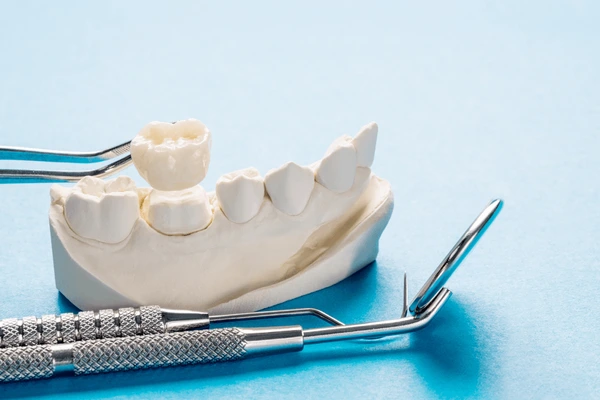
When a localized filling is not sufficient, a crown can provide more extensive coverage around the prepared tooth. This may be of value when large existing restorations or other damage, such as decay or fracture, have dramatically altered the structural picture.
Restoring Lost Tooth Structure
When a tooth is damaged, it may lose some or all of its chewing surface, height, contour, or visible shape. A custom crown can restore the tooth’s proper shape on the outside so that the repaired tooth fits better within the surrounding mouth.
Recreate Chewing Surfaces
Shaped cusps and contours are the functional basis of the posterior teeth. Crown design can be planned and adjusted properly to recreate a chewing surface that functions with the opposing bite.
Address Both Structural and Cosmetic Needs
Some broken teeth are also observed when the patient smiles. Restorations of a wider scope for the tooth may be provided by tooth-colored crowns, which can also help with appearance.
Help Preserve a Repairable Natural Tooth
Great damage does not mean extraction. A crown may be part of a plan to save the tooth if the tooth is restorable.
Gives Options for Different Crown Materials
The selection of crown materials may be based on the tooth’s location, bite forces, aesthetic goals, and clinical needs. The best choice depends on the individual patient and tooth.
Crown Evaluation at Paloma Creek Dental
Some patients seek care because a tooth broke yesterday. Others arrive with a tooth that has been quietly changing for years.
When evaluating Paloma Creek Dental crowns, factors to consider include the amount of remaining tooth structure, the condition of existing restorations, active decay, possible cracks, bite forces, symptoms, and whether the tooth can be predictably restored.
This matters because two teeth that look similar to a patient may need different treatment. The purpose of evaluation is not to place a crown on every heavily restored tooth.
FAQs
1. When is a tooth in need of a dental crown?
You may be recommended for a crown if you have a lot of decay, a fracture, a large filling that is failing, heavy wear, certain cracks, or have had a previous treatment and the tooth now needs more extensive restoration. The decision is based on the extent of residual structure, bite forces, symptoms, and the tooth’s restorability.
2. How long do dental crowns last in Aubrey, TX?
Many crowns last for 10 to 15 years or more, but individual results can vary. Oral hygiene, crown material, risk of decay, grinding, bite forces, trauma, and the health of the underlying tooth can all affect longevity.
3. Is getting a dental crown painful?
Local anesthesia is also used during tooth preparation to help keep patients comfortable. You may feel temporary sensitivity or tenderness of the gums afterward. Seek evaluation at the dental office if discomfort is severe, persists, or worsens.
4. What is the price of a dental crown in Aubrey, TX?
The cost will depend on the type of material used for the crown, the location of the tooth, the difficulty of the case, the dentist’s office, and whether you need any other treatment. Insurance benefits are also different. To get an estimate for an individual tooth and treatment plan, you need an exam.
5. What’s the difference between a crown and a filling?
A filling is used to correct one part of a tooth. The prepared tooth is covered with a crown, which provides a wider restoration. The choice of the suitable option depends on the level of trauma, the residual structure, the position of the tooth, and the functional needs.
Conclusion
A tooth can keep working for a long time. It can also make change easy to ignore.
- The filling is large, but chewing is fine.
- A corner broke, but there is no real pain.
- The tooth feels slightly different, but only with certain foods.
None of those details proves that a crown is needed. They also do not prove that the tooth is structurally sound.
For patients considering tooth restoration in Aubrey, TX, the important question is what remains after decay, previous dental work, fracture, or wear is taken into account.
Besides, for patients researching crowns or comparing restorative options, it’s best to contact Paloma Creek Dental today!