Summary:
Emergency dental procedures include root canals, tooth extractions, and dental fillings. These treatments are primarily used to alleviate pain, injuries, or infections.
Thus, proper aftercare can help ensure effective healing without any further issues. Many people, after their treatment with a professional dentist in Aubrey, TX, feel anxious about what comes next. This blog aims to guide you through important aftercare tips, starting from dietary plans to recognizing signs of complications.
A proper understanding of these tips can help you heal quickly without any further complications. Continue reading to get a clear head of dental recoveries!
Understanding Emergency Dental Procedures
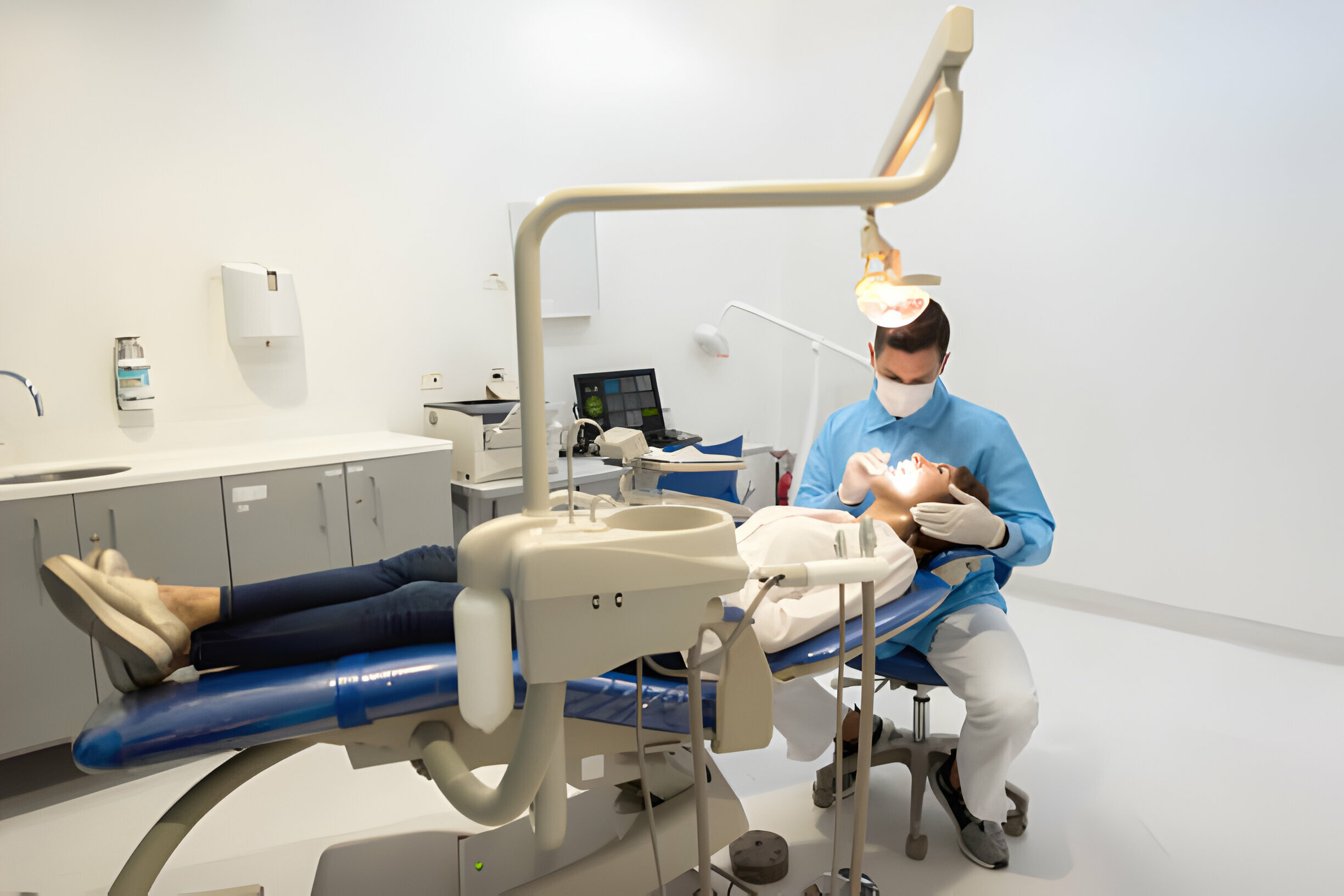
Emergency dental procedures are treatments provided to individuals who require immediate care. Some common examples of emergencies include root canals, dental injury repairs, and tooth extractions. These conditions often arise due to trauma, severe pain, or infections that require immediate care.
Accidents are inevitable, and so are their consequences. A tooth abscess or a broken tooth can happen in an accident. These problems might look easy-going, but they can cause severe pain and interfere with your daily life as well.
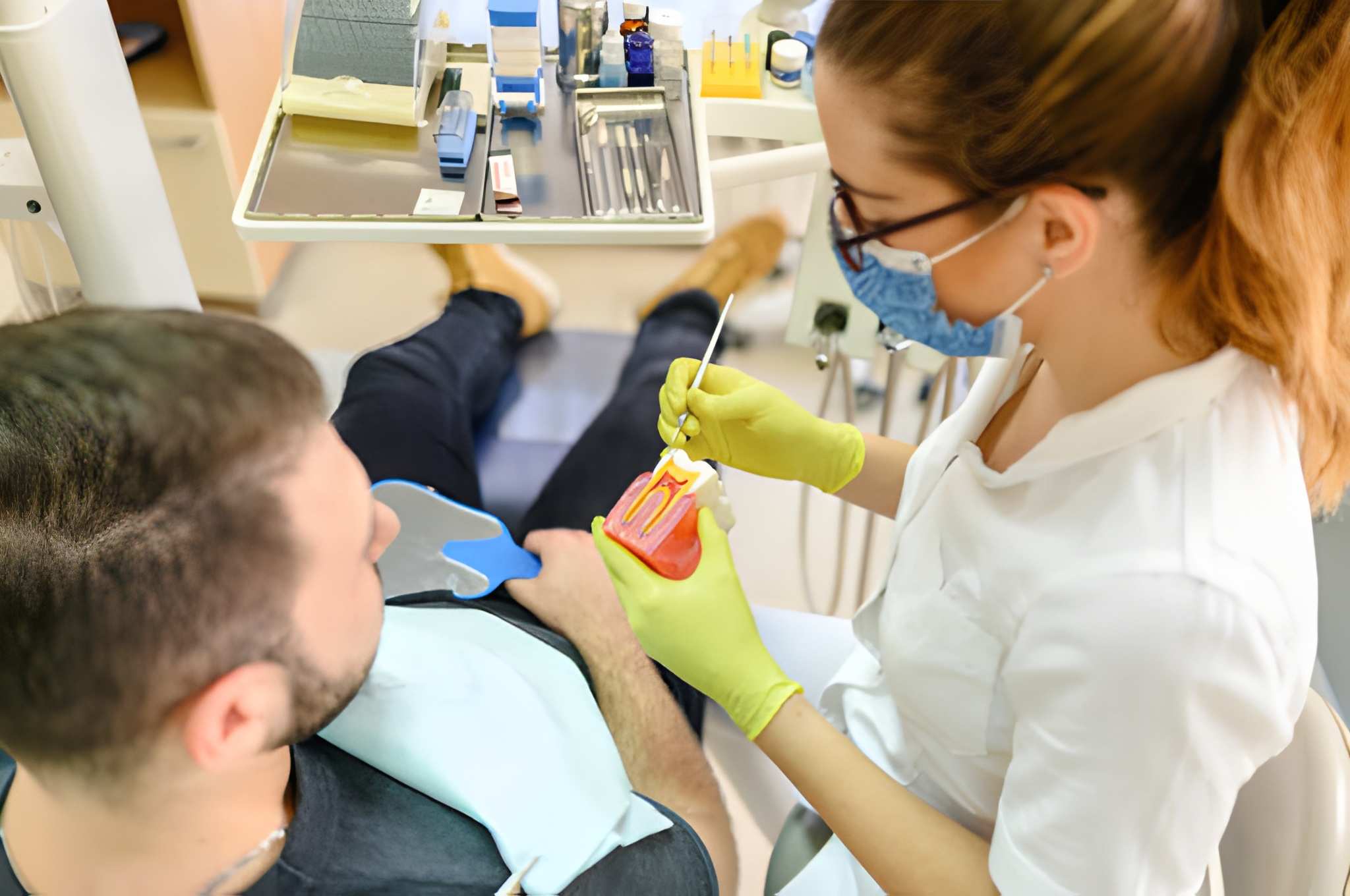
Emergency dentists diagnose the problem immediately and provide the right suggestions based on the condition of your tooth. They ensure that you receive the proper treatment at the right time to alleviate the patient’s pain.
It is essential to understand which situations can be considered emergencies. Immediate treatment ensures tooth recovery and prevents future tensions.
General Aftercare Guidelines
Rest and Recovery
After undergoing any dental treatment, your body needs a few days of rest to rejuvenate and return to its normal condition. Avoid physical activity as much as possible, as this may strain your body and slow down your recovery.
Dietary Recommendations
Your diet plays a significant role in your recovery. Immediately after your treatment, avoid hard foods, as they can damage your teeth. Try to include a variety of soft foods that require minimal chewing, such as mashed potatoes, yogurt, and applesauce.
Drinking hot foods and drinks for at least 24 hours, as they can irritate the site of the surgery. Avoid consuming crunchy, complex, and spicy foods, as they may also cause discomfort and damage. In fact, including cold items like smoothies and ice creams can help soothe the area and reduce swelling.
Research indicates that patients who adhere to a soft-food diet during the first week after dental implant surgery experience a reduction of up to 35% in complications.
Pain Management
Understanding Pain Levels
Experiencing pain and discomfort right after your urgent care in Aubrey, TX, is common. A feeling of soreness, especially around the treatment area, is also familiar. The intensity of pain can vary based on the procedure performed. Generally, you can expect mild to moderate pain, which should gradually decrease over a few days. If the pain persists, consult your dentist immediately.
Pain Relief Options
Managing pain effectively can improve your recovery experience. Your go-to pain relievers in this case include acetaminophen or ibuprofen. They can help alleviate discomfort. For optimal results, it is best to follow the recommended dosage instructions. Take the medications as directed by your dentist.
Additionally, consider natural remedies, which include applying a cold compress to the affected area. This helps reduce pain and swelling. Always consult your professional dentist before trying any new pain management techniques.
Oral Hygiene Practices
When to Resume Brushing and Flossing?
It is essential to maintain your oral hygiene after any dental treatment. However, it is advisable to avoid brushing the affected area for at least 24 hours after treatment. This helps the area to form a protective clot. After that, carefully brush and floss around the surgical site. To prevent further irritation, use a soft-bristle brush.
Saltwater Rinse
Rinsing with saltwater can help speed up the recovery process. After the first 24 hours, rinse your mouth with a warm saltwater solution. This helps keep the area clean and reduces the risk of infection.
Mix one teaspoon of salt in a glass of warm water. Gently swish the mixture around your mouth, mainly focusing on the surgical site. Avoid vigorous swishing, as it can dislodge clots and hinder healing.
Signs of Complications
What to Watch For?
Look for any unusual symptoms that occurred after the treatment. Watch out for signs like excessive bleeding, severe pain, or swelling that get worse over time. If you experience a fever, swelling, or discomfort, please contact your dentist immediately. The symptom may appear harmless, but it can lead to infection in the long run if not treated properly.
When to Contact Your Dentist?
It is essential to know when to contact your dentist during the recovery process. Arrange an immediate appointment with the dentist if you are facing severe pain after the treatment. Sometimes, taking medications can help, but if that doesn’t seem to work, it could be a sign to watch for.
This is because timely dental care helps in the recovery process and also prevents the situation from worsening. It is recommended that you follow the post-treatment instructions carefully, which are tailored to your specific needs by your dentist.
Long-Term Care Tips
Maintaining Oral Health After Recovery
After your recovery from dental procedures, it does not end there. In fact, continuous care and maintenance for your oral health is crucial. For your oral health and a healthy smile, book regular check-ups and cleanings with our dental professionals so that any unwanted situations can be prevented before they become a major discomfort. These visits enable dentists to closely and regularly monitor your oral health and recent treatment more effectively.
Lifestyle Changes
A healthy and balanced lifestyle is crucial for the long-term benefit of the dental procedure that you have recently undergone or are planning to undergo. The primary advice dentists offer is to limit consumption of sugary snacks as much as possible. This will reduce the risk of tooth decay in the future.
Good Oral Care Habits
The key aspect is to brush and floss regularly. Additionally, staying hydrated helps in the production of saliva, which serves as a protective shield for your teeth. So, drink plenty of healthy beverages and water.
Aftercare Following an Emergency Dental Procedure
It is essential to visit your dentist regularly, even after completing your treatment, to have regular checkups on the affected area. They ensure that your teeth are in better condition and inform you if you encounter any unusual symptoms.
Report to the dentist immediately if you have concerns or notice any unusual changes. Let them decide whether it is a minor or a crucial one.
Takeaway
- Follow proper rest, diet, and hygiene habits to speed up healing after emergency dental treatments.
- Watch for warning signs, such as severe pain, swelling, or bleeding, and contact your dentist immediately.
- Long-term oral health requires regular checkups, good daily care, and healthy lifestyle choices.
- Navigating through dental emergencies can be challenging! Therefore, it’s best to connect with Paloma Creek Dental for expert guidance.