Category : Emergency Dental tx

After the Emergency: Recovery Tips for Dental Emergencies in Aubrey, TX

Summary:

Emergency dental procedures include root canals, tooth extractions, and dental fillings. These treatments are primarily used to alleviate pain, injuries, or infections.

Thus, proper aftercare can help ensure effective healing without any further issues. Many people, after their treatment with a professional dentist in Aubrey, TX, feel anxious about what comes next. This blog aims to guide you through important aftercare tips, starting from dietary plans to recognizing signs of complications. 

A proper understanding of these tips can help you heal quickly without any further complications. Continue reading to get a clear head of dental recoveries!

Understanding Emergency Dental Procedures

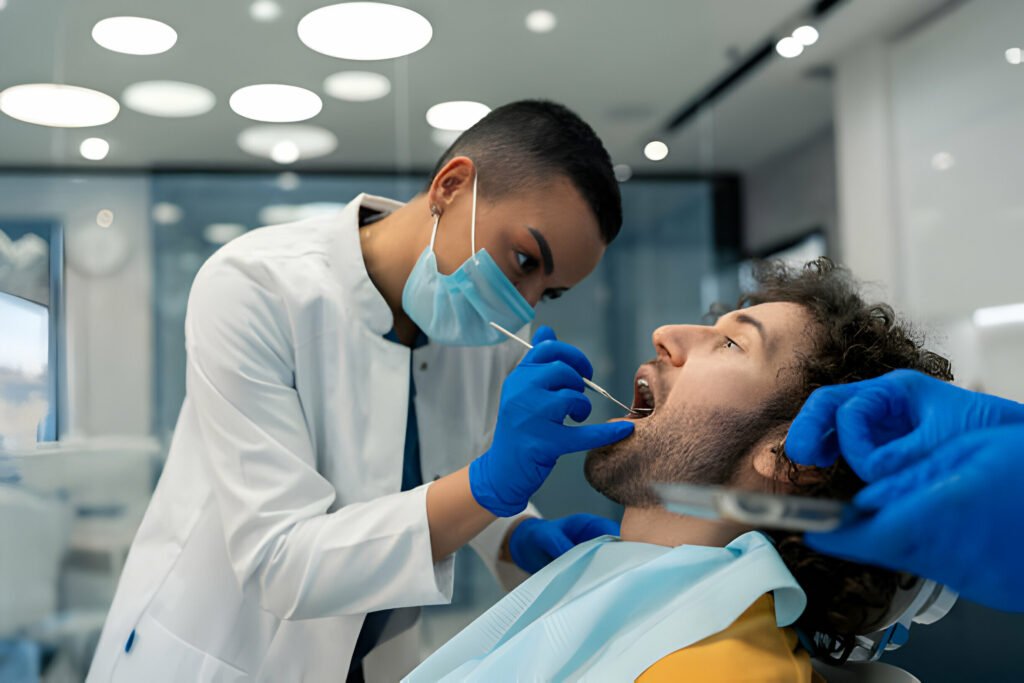
Emergency dental procedures are treatments provided to individuals who require immediate care. Some common examples of emergencies include root canals, dental injury repairs, and tooth extractions. These conditions often arise due to trauma, severe pain, or infections that require immediate care.

Accidents are inevitable, and so are their consequences. A tooth abscess or a broken tooth can happen in an accident. These problems might look easy-going, but they can cause severe pain and interfere with your daily life as well. 

Emergency dentists diagnose the problem immediately and provide the right suggestions based on the condition of your tooth. They ensure that you receive the proper treatment at the right time to alleviate the patient’s pain. 

It is essential to understand which situations can be considered emergencies. Immediate treatment ensures tooth recovery and prevents future tensions.

General Aftercare Guidelines

Rest and Recovery

After undergoing any dental treatment, your body needs a few days of rest to rejuvenate and return to its normal condition. Avoid physical activity as much as possible, as this may strain your body and slow down your recovery.

Dietary Recommendations

Your diet plays a significant role in your recovery. Immediately after your treatment, avoid hard foods, as they can damage your teeth. Try to include a variety of soft foods that require minimal chewing, such as mashed potatoes, yogurt, and applesauce. 

Drinking hot foods and drinks for at least 24 hours, as they can irritate the site of the surgery. Avoid consuming crunchy, complex, and spicy foods, as they may also cause discomfort and damage. In fact, including cold items like smoothies and ice creams can help soothe the area and reduce swelling. 

Research indicates that patients who adhere to a soft-food diet during the first week after dental implant surgery experience a reduction of up to 35% in complications.

Pain Management 

Understanding Pain Levels

Experiencing pain and discomfort right after your urgent care in Aubrey, TX, is common. A feeling of soreness, especially around the treatment area, is also familiar. The intensity of pain can vary based on the procedure performed. Generally, you can expect mild to moderate pain, which should gradually decrease over a few days. If the pain persists, consult your dentist immediately.

Pain Relief Options

Managing pain effectively can improve your recovery experience. Your go-to pain relievers in this case include acetaminophen or ibuprofen. They can help alleviate discomfort. For optimal results, it is best to follow the recommended dosage instructions. Take the medications as directed by your dentist.

Additionally, consider natural remedies, which include applying a cold compress to the affected area. This helps reduce pain and swelling. Always consult your professional dentist before trying any new pain management techniques.

Oral Hygiene Practices

When to Resume Brushing and Flossing?

It is essential to maintain your oral hygiene after any dental treatment. However, it is advisable to avoid brushing the affected area for at least 24 hours after treatment. This helps the area to form a protective clot. After that, carefully brush and floss around the surgical site. To prevent further irritation, use a soft-bristle brush.

Saltwater Rinse

Rinsing with saltwater can help speed up the recovery process. After the first 24 hours, rinse your mouth with a warm saltwater solution. This helps keep the area clean and reduces the risk of infection. 

Mix one teaspoon of salt in a glass of warm water. Gently swish the mixture around your mouth, mainly focusing on the surgical site. Avoid vigorous swishing, as it can dislodge clots and hinder healing.

Signs of Complications

What to Watch For? 

Look for any unusual symptoms that occurred after the treatment. Watch out for signs like excessive bleeding, severe pain, or swelling that get worse over time. If you experience a fever, swelling, or discomfort, please contact your dentist immediately. The symptom may appear harmless, but it can lead to infection in the long run if not treated properly.

When to Contact Your Dentist?

It is essential to know when to contact your dentist during the recovery process. Arrange an immediate appointment with the dentist if you are facing severe pain after the treatment. Sometimes, taking medications can help, but if that doesn’t seem to work, it could be a sign to watch for. 

This is because timely dental care helps in the recovery process and also prevents the situation from worsening. It is recommended that you follow the post-treatment instructions carefully, which are tailored to your specific needs by your dentist.

Long-Term Care Tips

Maintaining Oral Health After Recovery

After your recovery from dental procedures, it does not end there. In fact, continuous care and maintenance for your oral health is crucial. For your oral health and a healthy smile, book regular check-ups and cleanings with our dental professionals so that any unwanted situations can be prevented before they become a major discomfort. These visits enable dentists to closely and regularly monitor your oral health and recent treatment more effectively.

Lifestyle Changes

A healthy and balanced lifestyle is crucial for the long-term benefit of the dental procedure that you have recently undergone or are planning to undergo. The primary advice dentists offer is to limit consumption of sugary snacks as much as possible. This will reduce the risk of tooth decay in the future.

Good Oral Care Habits 

The key aspect is to brush and floss regularly. Additionally, staying hydrated helps in the production of saliva, which serves as a protective shield for your teeth. So, drink plenty of healthy beverages and water. 

Aftercare Following an Emergency Dental Procedure

It is essential to visit your dentist regularly, even after completing your treatment, to have regular checkups on the affected area. They ensure that your teeth are in better condition and inform you if you encounter any unusual symptoms.

Report to the dentist immediately if you have concerns or notice any unusual changes. Let them decide whether it is a minor or a crucial one. 

Takeaway

  • Follow proper rest, diet, and hygiene habits to speed up healing after emergency dental treatments.
  • Watch for warning signs, such as severe pain, swelling, or bleeding, and contact your dentist immediately.
  • Long-term oral health requires regular checkups, good daily care, and healthy lifestyle choices.
  • Navigating through dental emergencies can be challenging! Therefore, it’s best to connect with Paloma Creek Dental for expert guidance. 

When to Seek Emergency Dental Care: Signs You Shouldn’t Ignore

Summary

Did you know? Nearly 2 million individuals visit hospital emergency departments.

We often overlook dental emergencies as most people think they aren’t dangerous.

However, that’s where you might be wrong! When left unattended, dental emergencies can harm your overall health. Sadly, most people have a limited idea of what counts as a dental emergency.

Keeping the same in mind, this blog closely examines emergency oral care signs you shouldn’t ignore. We understand topics like:

  • Signs of Emergency Dental Issues
  • 5 Signs that Shout ‘Dental Emergency’
  • Tips to Navigate Through Dental Emergency

Let’s learn more about these emergencies in the following sections.

Signs of Emergency Dental Issues

Several indicators may suggest an oral emergency. For instance, if you have a knocked-out, broken, or fractured tooth or are experiencing significant pain in your mouth, you should seek expert medical assistance immediately.

However, not every inconvenience has to be a dental emergency! Before you visit your emergency dentist in Aubrey, TX, you must understand that not every symptom requires immediate assistance.

There are several signs of a dental emergency. In the following section, we will learn more about them.

5 Signs that Shout ‘Dental Emergency’

1. You’ve cracked a tooth

A shattered or fractured tooth isn’t only a cosmetic concern! The break might expose your tooth roots and allow bacteria into your teeth.

It’s always better to consult your dentist in such instances. They can help repair damaged teeth by reattaching the broken piece of enamel using dental bonding or a crown. Prompt treatment can help relieve your discomfort while preserving your tooth from illness or loss.

Tip: Avoid chewing on non-food things like pen caps or ice to prevent cracked teeth.

2. You’re dealing with an avulsed tooth

Knocked or avulsed teeth are another sign of an oral emergency. To offer your tooth the best chance of reattaching, knocked teeth require prompt attention, ideally within 30 minutes of the incident.

Therefore, if you’ve experienced such a situation, keeping your knocked-out tooth wet is best. You can put it back in your tooth socket, a tiny milk bottle, or a toothsaver (commonly included in a first aid kit). However, remember to stay cautious and not touch the dental roots during the procedure.

Tip: When playing sports, always wear a mouthguard to avoid oral injuries.

3. You have a severe toothache

There are several reasons why you might be experiencing excruciating pain in your tooth, namely:

  • Exposed roots
  • Cavities
  • Infections
  • Dry sockets and impacted wisdom teeth

A toothache can be a lingering discomfort that becomes severe with time. The cause of your discomfort determines the treatment you receive. For example, a cavity is often treated with a filling; however, an infection necessitates a different approach.

Tip: Before you arrive for your dental visit, gargle with salt water and apply a cold compress to the side of your face where your toothaches.

4. You have something caught in between your teeth

If something gets trapped between your teeth or gums, it may lead to various problems. Debris can irritate your gums and increase your chances of infection.

The American Dental Association recommends removing foreign items with floss rather than sharp or spiky objects. If the floss isn’t working, it’s time to visit your Emergency Dental TX. They can help remove the foreign item before it becomes a breeding habitat for germs.

5. You spot the signs of an abscess

A pimple-like development on your gums may indicate an abscess. This little lump packed with pus suggests that you have a bacterial infection.

You may also experience a fever, swelling of your face or lymph nodes, and severe pain extending from your mouth to your jaw and neck. Your dentist may perform a root canal to save your tooth during emergencies.

Tips to Navigate Through Dental Emergency

Dental problems can be unpleasant and bothersome at times. However, you needn’t run to your emergency dentist if you have the right tips to navigate the situation. You can use some effective strategies to relieve your discomfort.

Here are some ways of dealing with any dental emergency:

1. Identify the Dental Emergency

All dental problems are not serious enough to be treated as dental ‘emergencies’. Toothaches may wait (if the pain isn’t severe); you don’t need to see the dentist in the middle of the night.

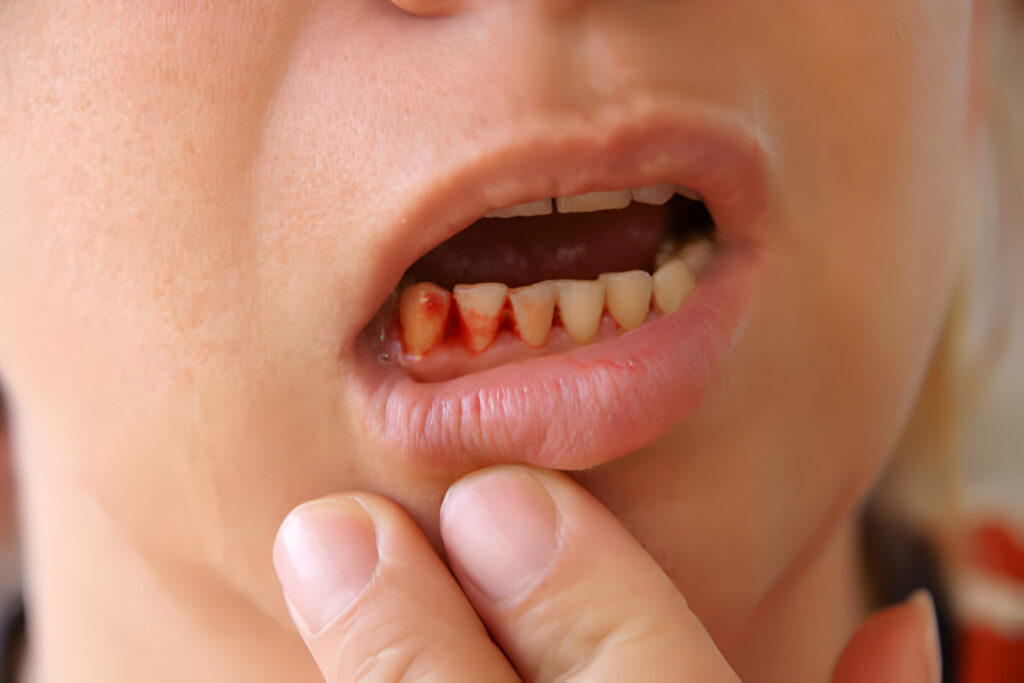
On the other hand, situations such as a knocked-out tooth or bleeding gums are termed as dental emergencies as they require immediate medical attention. If your face is bloated and painful, it might be caused by an infection or an issue only a dentist can treat.

2. Do Not Panic

While panicking is a normal reaction to a crisis, staying cool might help you figure out what’s happening. Instead of stressing out, try softly inhaling and exhaling to calm down. You can schedule an urgent appointment with a dental facility that treats dental emergencies.

3. Use First-Aid Techniques

There are instances when you cannot visit your emergency dentist immediately! In such situations, you might perform some basic first aid at home to stop the bleeding or relieve the pain.

0000

For example, you can preserve a knocked-out tooth in a milk container until you visit the dentist. Various hot and cold compression techniques can help alleviate pain and edema. What’s more? Rinsing your mouth with salt and water can also help to prevent gum infections and bleeding.

4. Reduce the chance of having a dental emergency

Taking precautions and seeing the dentist immediately might help avoid dental emergencies. As a preventive measure, you should wear mouthguards during sports and address your cavities and infections early. Chipped teeth are less likely to occur if you follow your dentist’s instructions and avoid biting on harsh objects.

5. Staying Prepared Is The Key

You should be prepared to handle a dental emergency! First-aid supplies such as gauze, bandages, and antiseptic mouthwash may be useful in emergencies, so always keep them handy. You may add a dentist’s phone number to your “speed dial.”

Stay Ready!

Dental emergencies can undoubtedly be unpleasant and frightening, but there are precautions you can take to avoid them. The first suggestion is to be calm and examine the situation. If you have a knocked-out tooth, try to keep it in milk or saliva until you’re able to see a dentist.

If you have a fractured tooth, it’s best to rinse your mouth with warm water and use a cold compress to relieve swelling. If you have extreme pain or bleeding, call an emergency dentist immediately. They can provide quick comfort while preventing further injury. It is critical not to ignore any indicators of a dental emergency since they might lead to more severe complications.

To avoid dental emergencies, practice good oral hygiene, such as brushing twice daily and flossing often. Also, wear protective gear when playing sports that might harm your teeth.

Takeaway

  • A shattered or fractured tooth isn’t only a cosmetic concern! The break might expose your tooth roots and allow bacteria into your teeth.
  • Taking precautions and seeing the dentist regularly might help avoid dental emergencies.
  • There are instances when you’re unable to visit your emergency dentist immediately!
  • A toothache can be a lingering discomfort that becomes severe with time.
  • Dental emergencies require prompt action! Don’t waste your time; connect with our experts at Paloma Creek Dental today!