Category :

How To Fix Teeth Gap Without Braces (Easier Than You Think!)

Does the gap in your teeth concern you?

Relax, you aren’t alone! Over 25.4% of American citizens have gaps in teeth. They are different for everyone as some may have small and virtually unnoticeable gaps while others may have bigger gaps in their oral setup.

This blog will look at the following:

  • Why fix your gap teeth?
  • Leading causes of teeth spacing.
  • Quick facts on gaps in teeth.
  • Are braces the only solution to fix teeth gaps?

In the following sections, let’s understand more about tooth gaps and how to remodel your smile discreetly.

Introduction:

Gaps in teeth are natural and can form anywhere along your smile. However, they’re the most noticeable if they crop up between your front teeth.

A gap in teeth can become a challenge as it gleams every time you talk, smile, or eat. More importantly, that space allows fluids to pass out of your mouth at inappropriate times.

Why Fix Your Gap Teeth?

No matter whether it is unusual or beautiful, teeth gaps are considered a sign of luck in many cultures. Similarly, many people opt for fixing tooth gaps to remodel their smile. Gaps are mostly closed because they are attention-grabbing.

Sadly, however, that’s not all! You should fix your teeth gap at the earliest:

  • Decay: The space between gapped teeth in the gums can provide a breeding ground for germs and food particles, causing gum discomfort. If left untreated, this might lead to gum disease and tooth decay.
  • Speech Disorders: Tongues touch against teeth to help us speak. When the muscles touch dead air, such as the area between gapped teeth, harsh consonants and other sounds are muffled.
  • Chewing Disorders: Chewing disorders are another immediate reason to fix tooth gaps. Gaps in the teeth often indicate that your teeth don’t meet correctly, impacting your bite force.
  • Weakened Enamel: Misalignment can cause gaps in your teeth, resulting in an incorrect bite. If teeth are not aligned properly, malocclusion (teeth misalignment) can lead to enamel loss and tooth abrasion. Enamel deterioration and split teeth can raise your chances of dental injury, decay, and tooth loss.

So, now that we know why you should fix gap teeth at the earliest, let’s look at some leading causes behind the phenomenon in the next section.

Leading Causes Of Teeth Spacing

  • Mismatch Between Your Jaw Bones & Teeth

A mismatch between the size of your teeth and jaw bones can be a leading reason behind teeth spacing. If your jawbone and teeth fail to complement each other, you often experience teeth gaps.

  • Undersized Teeth

The size of your teeth is another factor that causes a gap in your oral setup. Undersized or missing teeth can cause neighboring teeth to move and focus on closing a gap. This movement could result in further new gaps between teeth.

  • Oversized Labial Fenum

An enlarged labial frenum (the tissue that runs from the inside of your top lip to your gums) can cause a gap. It can occasionally become massive and pass between the two front teeth, obstructing the normal closing of the gap between these teeth.

  • Improper Swallowing Reflex

Spaces might form due to an incorrect swallowing response. When swallowing, your tongue should press against the roof of your mouth. However, some people push their tongue forward against their front teeth. This pressure causes teeth to shift, resulting in an Invisalign gap teeth between the front teeth.

  • Existing Gum Disease

Gum disease weakens and recedes your jawbone. Because the jawbone supports your teeth, bone loss can cause them to become loose and shift.

Even if your tooth gaps may not be visible, it is critical to get it evaluated by a dentist. We suggest this because it may cause a more serious problem, such as gum disease, when not treated.

What’s more? Gap filling of teeth is also necessary to indicate an incorrect bite, resulting in fractured or chipped teeth.

Are Braces The Only Solution To Fix Teeth Gaps?

Gone are the days when uncomfortable braces were your only option for filling gaps in teeth. Thanks to the evolution of modern dentistry, we now have several cosmetic dentistry procedures to remodel our smile and save us from severe oral diseases.

However, when thinking about how to fix teeth gaps, most of us forget that it depends on the gap’s size and the desired result from a functional or aesthetic point of view.

Keeping the same in mind, let’s check out some common cosmetic dentistry options to remodel your smile.

4 Common Cosmetic Dentistry Options To Remodel Your Smile

Invisible Aligners

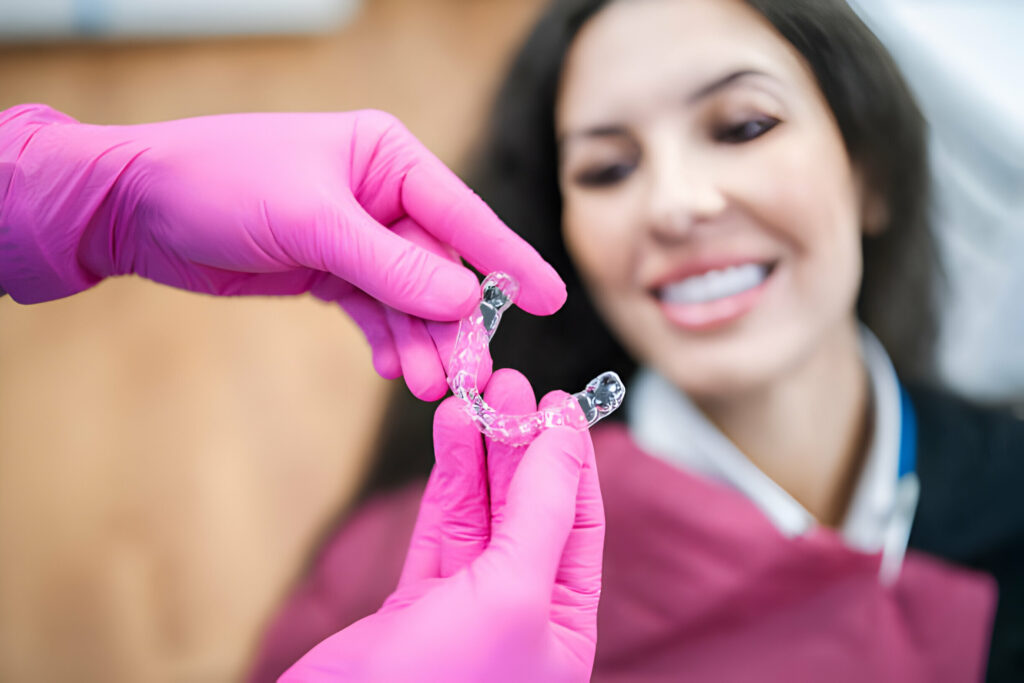
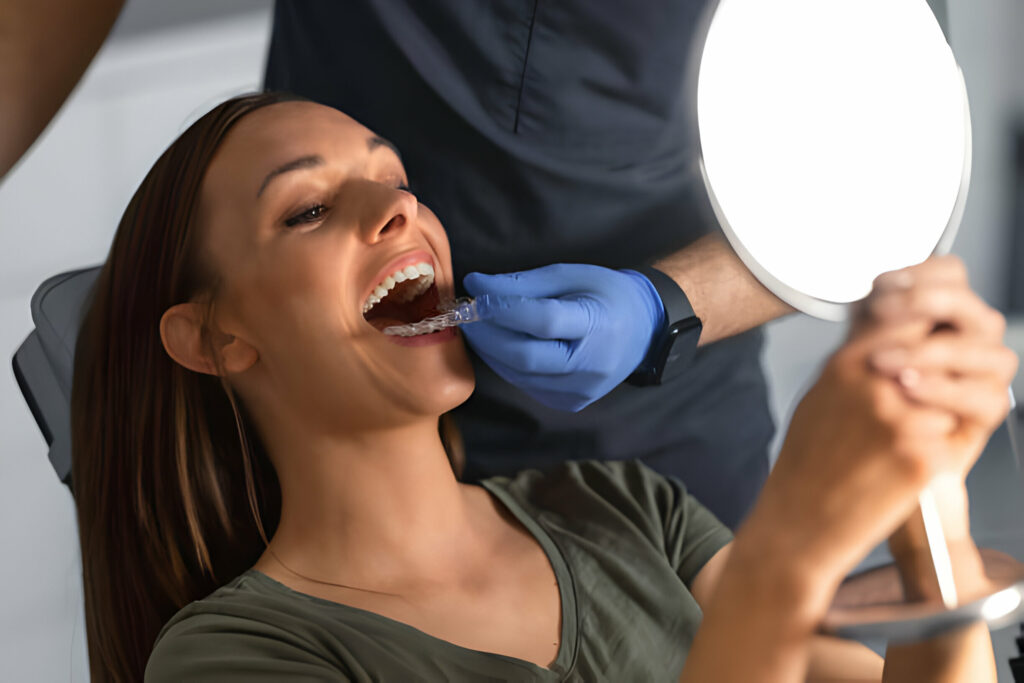
Aligners are a great option for closing the tooth gap. These dental appliances are more aesthetically pleasing than braces and correct minor tooth problems. They are clear thermoplastic polymers put on the teeth to exert pressure on certain teeth, causing them to move in the desired direction.

They are available in trays that shift the teeth in small increments. You can deliver them to your house and utilize them as your dentist directs. They are also less expensive than braces.

Veneers

Next, we have veneers, another cosmetic option generally used for aesthetic objectives. Dentists also use it to repair gaps between teeth. They function similarly to fake nails. They are fake shells bonded to the front of the teeth.

Many patients choose veneers as an alternative because they provide a permanent solution that solves all of their cosmetic problems, including fixing gaps in their teeth. Additionally, patients can achieve results considerably shorter than standard orthodontic therapy.

Crowns

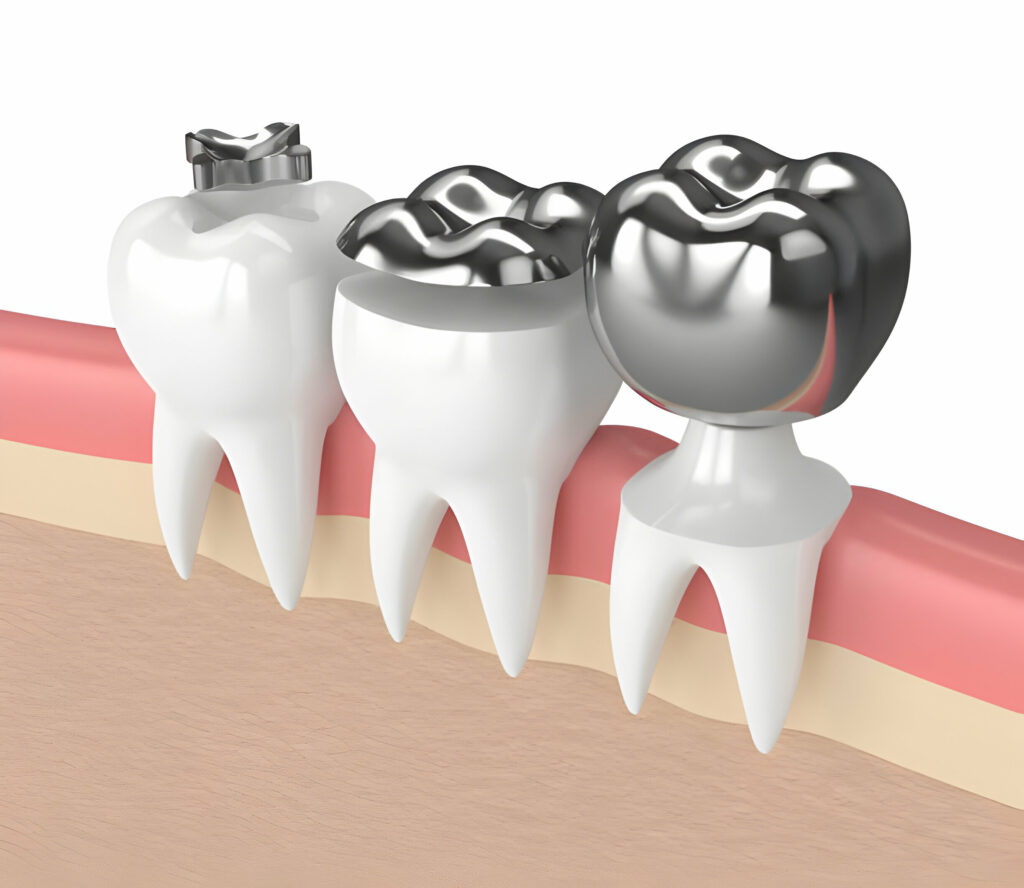
Dentists put dental crowns over your teeth to protect or repair a broken tooth or to give the tooth a new look and form. Dentists do not often use dental crowns only for cosmetic purposes, but if the tooth requires a crown anyhow, it may be beneficial to cover a gap.

Crowns are a great option for minor gaps, helping you with even-looking teeth and reducing the appearance of the gap. Crowns work as fillers for gaps in teeth and may be put on the teeth on each side of a gap produced by a lost tooth to give strength and structure for restorative surgery such as a bridge.

Implants

If a lost tooth or teeth cause your gap, dental implants may be an option for restoring your bite and smile. A metal screw-like post replaces tooth roots with dental implants, and a convincing fake tooth replaces the lost tooth.

The bone grows around the implants, providing strength and stability. Dental implants are a lengthy and complicated procedure. They are not just used to close gaps between teeth.

Takeaway

  • Teeth gaps are natural and can form anywhere along your smile.
  • There are several reasons why you should fix your teeth gap at the earliest.
  • The market is filled with cosmetic dentistry procedures to remodel our smile and save us from severe oral diseases.
  • Next time you think of how to fix spaces in teeth, remember you’re open to multiple options.

Dental Implants Procedure: What To Expect During The Treatment

Does a missing tooth or teeth bother you?  Welcome to the 156+ million Americans club!

Yes, you read it right. Over 150+ million Americans have a missing tooth, lost to accident, poor oral health, or dental extraction.

But do they continue living with a lost tooth? No, it doesn’t!

In this blog, we take a closer look at:

  • Introduction To Dental Implants
  • Structure Of Dental Implants
  • Procedure Of Dental Implants: An Insight Behind The Scene
  • Before Vs. After Dental Implants: Takeaway Recommendations

Let’s understand more about the dental implant procedure in the following sections.

Introduction:

Dental implants are a great way to restore your smile.

These oral appliances are the best way to restore your smile, health, and confidence. Implants for dental are artificial teeth inserted into the jaw. They bond with the jawbone to serve as a perfect replacement for missing one or more teeth in your cavity.

However, this is just the tip of the iceberg. There’s more to dental implants, which we’ll understand in the sections below. Let’s get started.

Structure Of Dental Implants: What Does The Artificial Tooth Look Like?

Your oral cavity develops complications when you lose a tooth to an accident, injury, or disease. These complications include defective speech, rapid bone loss, or changes to chewing patterns, resulting in discomfort and difficulty eating.

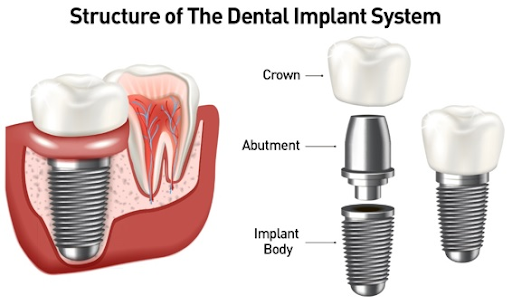
However, after you approach your implantation dental expert for an artificial tooth, things are different. They introduce you to dental implants, a natural-looking artificial setting divided into three parts.

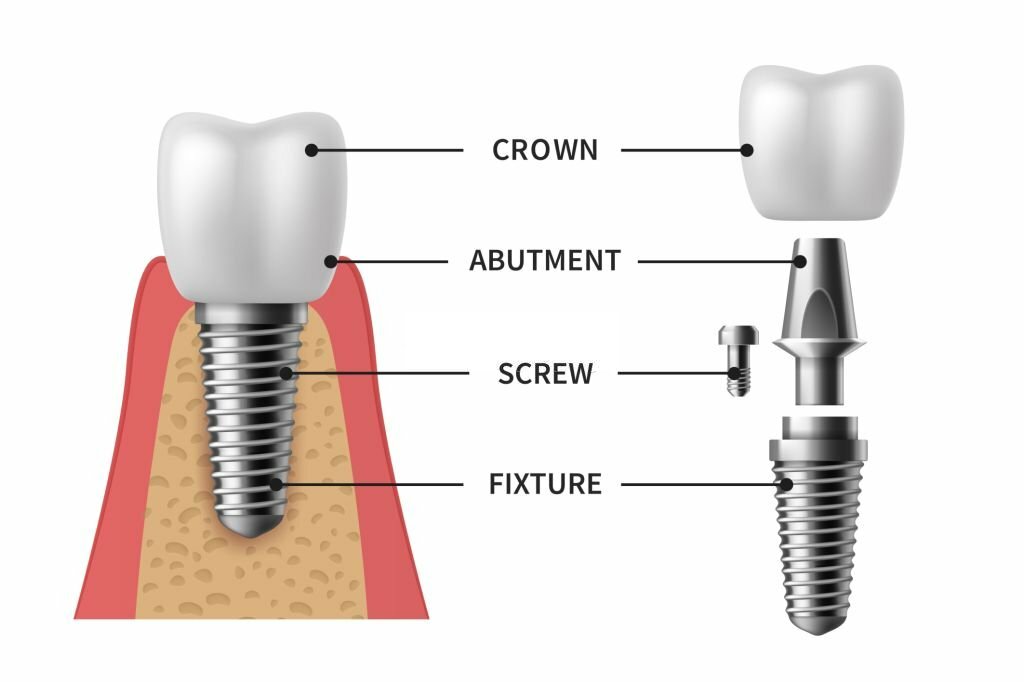
An implant denture comprises three different parts, namely:

Implant Body: The implant body, or ‘artificial root,’ is placed on the upper or lower jawbone (depending on the missing tooth). Dentists make it out of titanium to give your dentures or false teeth a natural feel.

Abutment: The abutment works like a screw that fixes onto the implant body. This is generally made of zirconia, gold, porcelain, surgical stainless steel, or titanium. It gets screwed into the implant and acts as a filler to the crown.

The abutment is your dental implant’s main adapter as it saves your crown from loosening or cracking under biting pressure, compared to simply fixing the crown into the implant.

Crown: Last on our list, we have a crown, a part of the restored tooth that mimics a natural tooth. It acts as a cap that goes onto your implant to give you a normal feeling. It’s designed to be tough and can be replaced if it cracks.

Procedure Of Dental Implants: An Insight Behind The Scene

Based on the prescription, your dentist will select two dental implant types: Endosteal and Subperiosteal.

However, none of the implants affect the procedure behind the surgery. Here’s an overview of what your dental implant procedure looks like:

Stage I: Initial Evaluation

The process of inserting dental implants starts with an initial evaluation. During this stage, your dentist or oral surgeon will examine and evaluate your oral health using X-rays.

Once they have an idea of the present condition of your jawbone, it’s time to continue planning for the tooth implant. This planning process generally includes a walkthrough of the surgery and the surgical anesthesia options.

Your oral experts can also provide a list of do’s and don’ts based on your current condition.

Stage II: During The Surgery

The second stage is probably the longest of them all. During this stage, your dentist removes the damaged tooth and prepares your jawbone for the process.

This stage of the dental implant procedure can take up to a few months, based on your jawbone and the time it takes to heal before the first installation.

Stage III: Implant Surgery & Bone Grafting

In the third stage, your dentist will examine whether your jawbone is ready to make the perfect foundation for a new implant. Your surgeon will perform bone grafting, placing a small bit of bone in your jaw to stabilize the implant placed within the jawbone.

Following the success of bone grafting, your dentist will place a temporary denture to give you a hang of the implant. It is during this stage that osseointegration takes place.

The bone begins to grow into and unite with the implant’s surface, incorporating it into the normal gumline. Depending on the time taken to heal, the procedure can take three to nine months to function like the roots of a natural tooth.

Stage IV: Placing The Abutment

Once you are comfortable with your temporary dentures and the osseointegration process is complete, it’s time for the local surgeon to install the abutment. The local surgeon will perform this procedure under anesthesia, reopening your gums to expose the temporary implant in tooth.

The local surgeon will then screw the abutment into the dental implant. After that, the local surgeon will reattach the gum tissue to the abutment and allow it to recover for one to two weeks. Later, the prosthetic tooth will be connected to the abutment.

Stage V: Fitting The New Artificial Teeth

After your gums have healed, it’s time to remodel your smile with the perfect implants. During this stage, your dentist will take impressions of your mouth and existing teeth.

These impressions are used to make permanent or temporary prosthetics, like denture implants. Depending on your choice, you can opt for removable or permanent dental implants.

Before Vs. After Dental Implants: Takeaway Recommendations

Before you opt for dental implants, consult your dentist about the possible advantages and drawbacks and if you are a candidate for the operation.

Here, we’ve covered a list of things to consider before and after a dental procedure. Let’s check it out:

Things To Consider Before Opting For Dental Implants

  • Your general health will play a crucial role in determining the success of a dental implant procedure. It will also impact recovery.
  • Before you settle with any implant, enquire about the model and brand of the oral appliance and record it for your future reference.
  • Smoking may affect the overall healing of your implants and reduce it’s long-term success.
  • Implants take several months to recover, during which your dentist will place a temporary abutment in place of the tooth.

Things To Consider After The Dental Implants Procedure

  • Follow your dental provider’s oral hygiene guidelines. Cleaning the implant and adjacent teeth regularly is critical for long-term success.
  • Make regular appointments with your dentist.
  • Inform your dentist right away if your implant seems loose or uncomfortable.

Takeaway

  • Over 156+ million Americans have one or more missing teeth.
  • Your oral cavity develops complications when you lose a tooth to an accident, injury, or disease.
  • Based on the prescription, your dentist will select two dental implant types: Endosteal and Subperiosteal.
  • The best dental implants can last a lifetime.
  • A dental implant procedure can be divided into five different stages.

The Essential Guide To Scheduling An Urgent Dentist Appointment

The sight of a dental emergency can be as complex as confusing!

We say this because most individuals have no idea of dental emergencies. For most individuals, dental emergencies refer to any oral pain that is not withstandable.

Besides, many individuals have zero experience navigating through an oral emergency. Keeping the same in mind, we’ve curated a blog that explores everything about dental emergency services.

So continue reading as we explore the steps between realizing an emergency and taking interim actions during such situations.

But What Exactly Is A Dental Emergency?

A dental emergency is when your dental discomfort or pain escalates to a level that prohibits you from carrying out your everyday tasks. However, a dental emergency generally differs from a medical one as it doesn’t require visiting an ER.

Here’s an overview of what a dental emergency looks like:

  • Severe toothache.
  • Dental abscess (swelling of your face and jaw).
  • Extruded (partially dislodged) tooth.
  • Badly cracked tooth.
  • Knocked-out tooth.
  • Broken or lost dental restoration.
  • Severe soft tissue injury (like a busted lip or deep cut).

Apart from these instances, it’s essential to understand when to visit an emergency dental clinic. When evaluating a dental emergency, it’s important to understand the situation.

For instance, a missing filling, a cracked tooth, or a missing crown is unlikely to be deemed a dental emergency unless fragmented pieces are left in your mouth, causing unbearable pain. Additionally, a toothache will not likely be considered a dental emergency unless the pain is exceedingly acute.

So now that we’re clear about dental emergencies, let’s focus on the different steps to seek emergency dentist care in the following section.

Different Stages Of Scheduling An Emergency Dental Appointment

Getting An Emergency Appointment

Once you’ve determined if your problem is a dental emergency, you must immediately contact a dentist and schedule a dental emergency treatment. Most dental clinics will leave several appointments open for prospective emergency appointments, and you should be able to be seen within the following 24 hours. This appointment may occur within or outside the practice’s normal business hours.

Waiting For An Emergency Appointment

While you wait for your emergency appointment with an urgent care in Aubrey, TX, it is critical to maintain good general oral health and avoid aggravating your problem. The precise actions depend on your unique problem; for example, if you have a suspected tooth abscess, avoid hot food and drink, use a soft toothbrush, and avoid flossing the afflicted region.

Swish your mouth with warm salt water before the visit to sanitize the region. On the other hand, if your tooth has been knocked out, you should rinse it with running water and replace it in its socket (if possible). If this is not possible, place the tooth in milk until you can visit the emergency care dentist. This helps maintain the tooth’s pH balance and sustain the tooth’s living components. You should do your best to keep the area clean and debris-free, which might lead to infection.

So now that we have an idea of the basics of an emergency appointment let’s look at the steps following your visit to a dental emergency room.

What To Expect During Urgent Care Visit?

Following an emergency dental visit, you will undergo the following steps:

  1. Exam and Diagnosis

After you visit your nearest immediate care dentist, they’ll prepare you for exams and diagnosis. During the exam, the dentist will take your medical history, do a visual examination, and, if required, get X-ray photos of the problematic tooth. The dentist will utilize the information gathered to develop a diagnosis and guide therapy.

  1. Preparation For The Procedure

If the dentist suggests a procedure, they will describe what will happen during the operation and what you may expect regarding recovery time and follow-up care. They will also answer questions to make you feel comfortable and knowledgeable about the operation.

  1. Application Of Anaesthetic

If you must continue the procedure immediately, your dentist in Aubrey, TX, will need to use anesthesia to numb the tooth and guarantee you are not in pain.

  1. Treatment

The dentist will most likely offer pain treatment immediately if you are in significant pain. Your doctor may apply local anesthetic or prescribe pain relievers to alleviate your suffering.

For example:

Your dentist will replace a loose filling with a new one or a different restoration. On the contrary, your emergency dentist will treat pulpitis with a root canal or attach a lost tooth.

Conclusion

This brings us to the end of our essential guide to schedule your appointment with an emergency care dentist. Looking at the different factors, it’s evident that you need to be fast with your actions in dental emergencies.

Regarding such emergencies, it’s always wise to check for the doctors, their experience, and your dental savings plan before visiting the dental emergency room. All the best!

We’re There For You

Emergencies can be frightening! Such events call for professional help at the earliest. At Paloma Creek Dental & Orthodontics, we strive to be the area’s #1 dental emergency center. Our prompt services and quality assistance are all you need for your emergency.

Common Pediatric Dental Procedures & Treatments In Aubrey, TX

Pediatric dentists, also known as pedodontists, specialize in providing dental care to children from infancy through their teenage years.

They have received specialized training beyond that of a general dentist to address children and adolescents’ unique oral health needs. Pediatric dentists play a crucial role in promoting good oral hygiene habits and maintaining the dental health of young patients.

This blog explores standard pediatric dental procedures while giving you an idea of the treatment options. So continue reading as we walk you through the different procedures in the following sections of the blog.

But, Why Consult A Pediatric Dentist?

A pediatric dentist is your go-to dentist for several options. Let’s check out some standard pediatric dentistry information highlighting the dentist’s role in our lives:

  1. Preventive Dental Care: Pediatric dentists focus on preventive measures such as dental cleanings, fluoride treatments, and sealants to help prevent tooth decay and other oral health issues.
  2. Diagnosis and Treatment: They diagnose and treat pediatric dental health specific to you, including cavities, gum diseases, and developmental issues. Pediatric dentists receive training in managing children’s behavior during dental visits to create a comfortable and positive experience for young patients who may be nervous or anxious.
  3. Education: They educate parents and children about proper nutrition, oral hygiene practices, and regular dental check-ups. Besides, pediatric dentists can also assess the alignment of teeth and jaw development to determine if orthodontic intervention might be needed.
  4. Emergency Care: Pediatric dentists can handle dental emergencies that might occur with children, such as knocked-out teeth or injuries.

Choosing a pediatric dentist for your child is important to establish good oral health habits from a young age and to ensure they address any dental issues promptly and effectively.

Who Can Seek Pediatric Dental Care From A Pediatric Dentist?

Pediatric dental care is important for children from infancy through their teenage years. Here are some stages when you can pediatric dental care for your children:

  • Infancy (6-12 months): Children have their first dental visit by their first birthday or within six months of the eruption of their first tooth, allowing the dentist to check for any potential issues.
  • Toddlerhood (1-3 years): Children learn about oral hygiene habits during this stage. Regular dental visits reinforce the importance of brushing, flossing, and a healthy diet.
  • Preschool Years (3-5 years): Regular dental check-ups are important for early detection of any cavities or other dental problems as children’s primary teeth continue to develop.
  • School-Age Children (6-12 years): This is a crucial period for maintaining oral health. Regular dental visits can ensure that cavities are caught early and that preventive measures like sealants and fluoride treatments are provided.
  • Teenage Years (13-18 years): Adolescence brings its own set of dental challenges. Wisdom teeth may start to emerge, and orthodontic needs might become apparent. Regular dental check-ups during these years help monitor oral health, address orthodontic concerns, and guide teenagers toward maintaining healthy habits.

Common Pediatric Dental Procedures And Treatments You Should Know Of!

Here are some common pediatric dental treatments in Aubrey, TX:

Dental Cleanings (Prophylaxis):

Regular dental cleanings are essential for your children to remove plaque, tartar, and stains from teeth. The dentist in Aubrey, TX, will use special tools to clean the teeth, followed by polishing to make them smooth and shiny. Cleanings help prevent cavities and gum disease.

Fluoride Treatment:

Fluoride is a naturally occurring mineral that plays a significant role in strengthening tooth enamel. It adds to your oral health, making your teeth resistant to decay. Fluoride treatments can be applied to the teeth as a gel, foam, or varnish. It is especially important for your children’s developing teeth.

Dental Sealants:

Pediatric dentists use sealants to fill in the grooves and pits on the chewing surfaces of molars and premolars to prevent cavities when a child has a cavity. Sealants are protective coatings that help prevent food particles from getting trapped. It has a painless application and is long-lasting.

Fillings:

In pediatric dentistry, if your child develops a cavity, the dentist needs to remove the decayed portion of the tooth and fill the tooth with a dental material, usually composite resin. The dentist commonly uses tooth-colored fillings that blend with the natural tooth color.

Pulpotomy and Pulpectomy:

These pediatric dentist services treat infected or damaged pulp (the innermost part of a tooth containing nerves and blood vessels) in baby teeth. A pulpotomy involves removing part of the pulp, while a pulpectomy removes the entire pulp. A crown on the tooth often follows these procedures to protect it.

Orthodontic Consultation:

Pediatric dentists often monitor the growth and development of a child’s teeth and jaws. If there are indications of orthodontic issues (misaligned teeth, bite problems), the dentist may refer the child to an orthodontist for further evaluation and potential treatment.

Extractions:

If your child’s tooth is severely decayed or damaged or prevents the proper eruption of a permanent tooth, it may need to be extracted. The pediatric dental meaning ensures your child’s comfort and safety during extractions.

Dental Crowns:

Dentists use crowns to restore and protect extensively decayed or damaged teeth. They can make crowns from various materials and design them to fit over the entire tooth structure.

Conclusion!

It’s important to note that each child’s dental needs may vary, and the procedures mentioned above might be adjusted based on the child’s age, dental health, and individual circumstances. So we recommend always consulting with qualified pediatric dental professionals to determine the best treatment plan for your child.

End Your Search Today

At our clinic, we’re your one-stop pediatric dentist in Aubrey, TX, that cover your child’s oral needs. Contact Paloma Creek Dental & Orthodontics for bring years of experience to the table so you can rest assured about their future and overall health.

Why Your Dentist May Recommend Invisalign

You’re not alone if you feel self-conscious about your smile. Stats suggest that over 70% of Americans are uncomfortable with their not-so-perfect smile.

While being self-conscious about how you smile is okay, losing self-confidence can have grave consequences. Thanks to options like Invisalign treatment, you no longer have to deal with discomfort or low self-esteem.

This blog aims to answer many of your questions centered around what is Invisalign treatment and why your dentist may recommend the treatment. So continue reading as we understand more about the treatment’s perks and know whether you’re a good candidate for the same.

Invisalign: How It Works

Invisalign is a modern orthodontic treatment that leverages a series of clear, removable aligners that straighten your teeth over time. These aligners are customized as per the need of individual patients and are designed to apply gentle pressure on your teeth to shift their position over time.

The process of how Invisalign works is relatively straightforward. The treatment includes a series of plastic-grade aligners that restructure your teeth’ placement over time. These aligners are based on a predicted movement the dentist decides once they’ve examined your oral setting.

Once the process starts, you must visit your Invisalign dentist regularly and receive new aligners to keep the movement in motion.

So now that we have an idea of what Invisalign is and how the treatment works, let’s focus on some reasons why your dentist may recommend Invisalign.

Reasons Why Your Dentist Might Recommend Invisalign

Aesthetics

One of the primary reasons why Invisalign works is its discreet appearance. The medical-grade plastic makes it virtually invisible, allowing you to wear them without feeling self-conscious about the treatment process.

The discreet nature of Invisalign is great for adults and teens who are self-conscious about their appearance and don’t want to be seen wearing traditional metal braces.

Comfort

Invisalign aligners are the go-to option for people who prefer a comfortable option to straighten their teeth. As mentioned earlier, Invisalign aligners are developed using medical-grade plastic, making them a more comfortable option than metal braces.

Since no brackets or wires are involved in the straightening process, you won’t feel discomfort or irritation on your lips, gums, or cheeks. What’s more? Invisalign aligners are custom made for your teeth, ensuring a comfortable and snug fit.

Convenience

The convenience that Invisalign’s working adds to the patients is one of the reasons many patients prefer it. Invisalign is removable, allowing you to remove them whenever you brush, eat, floss, or drink.

This makes washing simpler and improves oral hygiene. You may continue to eat all your favorite meals without limitations since you won’t have to worry about food getting stuck in brackets or wires.

Fewer Dental Visits

When undergoing a teeth straightening method via conventional braces, it becomes mandatory for patients to consult their orthodontist every four to six weeks for adjustments. While it sounds common, many patients get busy and miss out on their dental visits.

However, that’s not the case with Invisalign therapy. The treatment often requires fewer sessions than traditional braces. Moreover, depending on your treatment plan, you can easily switch to the new aligners at home every one to two weeks. This saves time and adds to a convenient treatment experience.

Predictable Treatment

Invisalign treatment is one of the latest forms of advanced dentistry. It uses advanced 3D imaging technology to establish a precise treatment plan in no time. This enables you and your dentist to choose the course of the treatment and the anticipated outcomes before you even start using the aligners.

This 3D imaging technology makes it easier for you and your dentist in Aubrey, TX, to plan around significant occasions or milestones while using Invisalign.

Improved Oral Health

Having straight teeth looks nice and helps you maintain proper oral health. Maintaining adequate oral hygiene with correctly aligned teeth is simpler, which can help fight against problems like gum disease and tooth decay.

However, you can’t possibly think of cleaning your teeth regularly when braces bind them. On the contrary, the removable nature of Invisalign allows you to maintain improved oral hygiene and gum care throughout the treatment process.

Are You A Good Candidate For The Treatment?

Most teenagers and adults who wish to enhance the look and function of their teeth can benefit from Invisalign treatment. It can successfully cure a variety of orthodontic problems, such as:

  • Overbite
  • Gaps Between Teeth
  • Crossbite
  • Open Bite
  • Crowded Teeth
  • Underbite

However, not everyone will benefit equally from Invisalign therapy. More conventional orthodontic procedures could be necessary for severe orthodontic patients or complicated problems. Our knowledgeable staff at Lancaster Dental will evaluate your particular requirements and assist you in deciding whether Invisalign treatment is the best option for you.

So now that you have an idea of what is an Invisalign and how it works to simplify your oral health and teeth straightening, what are you waiting for?

Consult Our Experts Today

Invisalign treatment can give you a perfect smile and enhance your appeal like no other! Don’t delay the ideal treatment; connect with our experts at Paloma Creek Dental & Orthodontics to know more about the process and its perks. Book an appointment or call us today!

Benefits Of Early Dental Care: An Expert’s Advice For Pediatric Dentistry

When it comes to your child’s oral health, there’s no better way than taking them on early dental visits. Early childhood visits to their dentists are crucial in paving the foundation for their future dental health.

There are several benefits of dental care. For instance, the sooner parents start taking their children for regular dental checkups, the more likely they are to prevent cavities and tooth decay that could lead to other severe medical conditions.

Moreover, having sound oral health adds to your little ones’ well-being by allowing them to speak clearly and smile confidently. So continue reading as we walk you through the benefits of early dental visits and understand more about the concept in this blog.

Who Are Pediatric Dentists?

Pediatric dentists are health experts who specialize in childhood dental problems. These experts have years of experience dealing with infants and young adults and play a significant role in developing oral habits among children.

Here are some standard services that you can expect on your visit to a pediatric Aubrey dentist:

  • Oral health examinations for children to measure the mother’s and the baby’s risk of cavities and decay.
  • Fluoride treatment, education, dental cleaning, and oral health-associated discussions. They also specialize in suggesting nutrition intake and other preventive approaches to avoid cavities and decay.
  • Early diagnosis and prevention of oral health-related issues may be connected to other major illnesses.

Perks Of Visiting A Pediatric Dentist For Your Child

Certified Dentists For Kids & Young Adults

Like other general practitioners, pediatric dentists have a doctorate in dental surgery (DDS) or dental medicine (DDM). Apart from their available certification, these experts seek an extra two to three years of training to specialize in treating young children.

Apart from their certification, they understand the complex jaw structure of young children. They are especially suited to address the specific oral requirements of children.

Increased Awareness Of Common Childhood Habits & Oral Health Issues

Teeth grinding and thumb sucking are common practices that might initially seem pretty normal for your child. Sadly, these habits end up causing dental problems as they mature.

The good news is, these habits are common for experts at Aubrey pediatric dentistry. Once they spot such habits in your child, they can recommend preventive measures and eliminate such behavior to improve their dental health.

Experts Who Understand Their Way Around Kids

The term ‘pedodontist’ is derived from two words, namely: “pedia” (child) and “dontist” (one who studies teeth). To put it another way, a pediatric dentist is an expert who understands their way around children’s dental health and development.

While any family dentist can treat children, pediatric dentists are equipped to deal with young patients’ emotional, dental, and behavioral requirements. Thanks to their training and expertise, these professionals are adept in responding to a child’s reaction to their dental visit. They can make your child absolutely comfortable with regular dental visits.

They Foster Healthy Habits In Your Child From A Young Age

Their extensive knowledge and experience in child development and psychology allow pediatric dentists to provide personalized and age-relevant guidance to young children. They assist your kid in forming healthy dental hygiene routines, such as regular flossing, or break bad ones, such as thumb-sucking or prolonged pacifier usage.

Moreover, a pediatric dentist can help your kid establish a healthy dental regimen if you worry about their teeth or oral hygiene practices (or lack thereof). What’s more? They also play a crucial role in educating young parents about the dos and don’ts of dentistry from a very young age.

These are some of the primary perks of early dental care. So now that we have an idea of how a pediatric dentist adds to your child’s oral health let’s understand one of the most commonly asked questions from young parents.

When Is The Right Time To Visit A Pediatric Dentist?

Young parents are often confused about when to take their child to a pediatric dentist. Interestingly, it starts earlier than you expect. You can take your child to a pediatric dentist as soon as their first milk teeth erupt or after their first birthday.

This way, you can identify early warning signs and symptoms of oral health issues like tooth decay and cavities. Once your pediatric dentist identifies such problems in your child, they will neutralize them quickly.

Now You Know

So now that you have an idea of how early pediatric visits add to your child’s life, we hope you make your visit at the right time. Remember, early dental visits go a long way in establishing a sound future for your child.

Bring Your Child To Paloma Creeks Today!

Don’t waste your time hunting for the ideal pediatric dentists! At Paloma Creeks, we bring you professionals who have years of expertise with children and young adults. Come and experience specialized dentistry for your loved ones. Book a consultation at 972-347-1090 today.

Endodontist Vs. Periodontist: The Who, What & Why!

Our mouth is a complex organ with different working parts. The different sections inside our mouth are incredibly detailed and function independently. Believe it or not, there are different experts for treating your jaw, gum, and teeth. While all doctors come under different categories, two specialists that patients often get confused  between are endodontists and periodontists.

Many adults would’ve consulted with either of these specialists but remain confused between periodontics and endodontics. This blog looks closely at these experts and understands what sets them apart.

So continue reading as we look into the different aspects of endodontist vs. periodontist in the following sections of the blog. But first, let’s understand more about these professionals in detail.

Endodontist Vs. Periodontist: Who They Are

What Is An Endodontist?

An endodontist is a dental professional who is an expert in caring for the tooth pulp and tissues surrounding a tooth’s root. They also have expertise in other conditions and diseases that affect the tooth pulp and root.

Endodontists are trained to perform several procedures, like treating failed root canals,, endodontic surgery, dental trauma, and cracked teeth. However, they’re mostly referred for their expertise in root canals.

What Is A Periodontist?

A periodontist is a dental specialist who focuses on supporting structures around the teeth and the conditions or diseases that affect them. They specialize in saving your gums, cementum (root cells), alveolar bone, and periodontal ligament.

Your Texas periodontics professional is also trained in the maintenance and placement of dental implants. You can visit a periodontist to receive a wide range of treatments, including root planing, dental scaling, and severe gum problems.

So now that we’re clear about the roles of these professionals in maintaining our teeth, let’s check out some differences between an endodontist and a dentist for periodontal treatment in the following section.

Endodontist Vs. Periodontist: Differences & Similarities

Training

As mentioned earlier, both endodontists and periodontists are specialists in working on different parts of the mouth. They go to dental school, and once they complete their graduation, they obtain dental degrees with an additional 2-3 years of specialty training.

However, endodontists generally learn about administering local pain medication, performing microsurgery, reducing patient discomfort, and improving root canal treatments.

On the contrary, periodontists mostly focus on surgical and non-surgical treatments.

Special Treatments

Endodontists specialize in root canal treatments. Most professional Aubrey dentist endodontists perform over 25 root canal treatments weekly. While general dentists can also perform such procedures, they’re not as experienced as endodontists due to the number of times they execute them.

On the other hand, periodontists are experts who focus on gums and treat diseases around them. They’re primarily responsible for your healthy gums and specialize in treating root scaling or planing. Both methods are required to remove tartar and plaque from the roots under the gumline.

When To See The Experts?

When Should You Visit An Endodontist?

Endodontists are specialists who can relieve you of severe tooth pain. Root canal therapy can save you from broken teeth, extraction, fractured and cracked teeth.

Endodontists often perform treatments for:

  • Root canal therapy and re-treatment
  • Regenerative endodontics
  • Accidental trauma
  • Dental implants
  • Internal bleaching
  • Fixing cracked and broken teeth
  • Root-end surgical procedures

When Should You Visit A Periodontist?

Since periodontists have expertise in gum diseases, they are experts in removing tartar and plaque build-up with deep scaling. As experts, periodontists can perform several treatments, including:

  • Root planing
  • Crown lengthening
  • Dental implants
  • Root scaling
  • Jawbone reconstruction
  • Modifying gum tissue
  • Tissue regeneration and gum flap procedures

Can General Dentists Perform Periodontal Work?

General dentists are your excellent defense against general oral health conditions. Knowledgeable and skilled family dentists can help you treat minor dental problems earlier in gum disease. However, they cannot perform the treatment methods of a periodontist.

Like Endodontists, Periodontists practice using specific tools and modern technologies to execute complex procedures efficiently. Therefore, while visiting a general dentist after consulting a periodontist is a feasible idea, the other way round is not advisable.

Takeaway Tips To Prevent Any Tooth Or Gum Issues

Dental problems such as cavities, gum disease, and tooth decay can lead to discomfort, pain, and even tooth loss. By practicing good oral hygiene habits, such as brushing and flossing regularly, visiting the dentist for regular check-ups, and avoiding sugary and acidic foods and drinks, individuals can reduce their risk of developing dental problems and improve their overall health and quality of life.

To avoid visiting such professionals, it’s important to maintain good oral health by following these simple guidelines:

  • Rinse, brush, and floss your tongue and mouth twice a day.
  • Visit your dentist regularly (twice a year) to keep your gum and teeth free of tartar.
  • Avoid smoking, as it affects your teeth and gum.
  • Eat nutritious food and stay hydrated to strengthen your teeth.
  • Cut back on sugary drinks, such as fruit juice and soda.

Now You Know!

While endodontists and periodontists both specialize in treating dental issues, they focus on different aspects of oral health. Endodontists are concerned with the health of the dental pulp and the nerves within the teeth, while periodontists focus on the health of the gums and supporting structures of the teeth.

Ultimately, the choice between seeing an endodontist or periodontist will depend on the specific dental issue that needs to be addressed. It is important to consult with a qualified dental professional to determine the best course of treatment for any dental problem. By working with a skilled and experienced specialist, individuals can receive the highest quality care and maintain optimal oral health for years to come.

Let Experts Be Your Guide

Knowing whom and when to visit can be challenging, especially when you have a limited idea of different dentists. So don’t risk your oral health, and Contact professionals at Paloma Creek guide you for the best. Visit our clinic to test which course of treatment you should settle for, or call us at 972-347-1090.

7 Ways to Clean your Invisalign Trays

People can’t tell you are wearing Invisalign until you tell them. The discreteness of these dental appliances makes them the most sought-after choice for patients with crooked and misaligned smiles. It’s also one of the best and most effective teeth straightening choices out there.

The whole purpose of wearing Invisalign is to keep them discreet so that no one knows you have them on. To make the most of Invisalign, paying special attention to your oral care routine is important. It’s also important to keep the Invisalign trays clean for aesthetic purposes and general hygiene.

Not cleaning these trays will have dirt to accumulate on them, eventually leading to bacterial buildup. This will not only make the aligners look aesthetically unpleasing but can also cause tooth decay. Here we have listed 7 easy tips for keeping your Invisalign trays clean. Let’s take a look.

Have a Proper Morning Cleaning Routine

Your dentist in Aubrey TX, will recommend you wear Invisalign at night. That’s when these trays work effectively to align your teeth and give you your desired smile perfectly. However, bacteria tend to build up at night. They don’t just gather around your teeth, but they are also likely to get into the Invisalign tray.

Having a proper morning cleaning routine can help prevent this bacteria buildup in your Invisalign tray. The best thing you can do here is to give the aligner tray and your teeth a good wash in the morning. Brush them thoroughly when you wake up. Do it twice a day, i.e. before going to bed and after waking up.

Keep them in an Air-Tight Container

Never leave your aligner trays out in the open as they can accumulate bacteria, besides the risk of losing the aligners. You’ll need to wear them for almost 24 hours. But at the time of eating, drinking, or brushing, put them in a small case. You can also buy Invisalign accessories for storing them safely. If you keep them in the open air, make sure you rinse them thoroughly before putting them back in.

Wash the Aligner Tray After Removing

The biggest benefit of having invisible aligners is that you can remove them whenever you want. Usually, dentists recommend you keep them on for at least 22 hours a day and take them out only when it’s absolutely necessary, i.e. when you are eating, brushing, and flossing.

You should rinse them every time you take them out before placing them back on your teeth. Likewise, it’s important to rinse your mouth after you are done eating. This step ensures that there’s no excess saliva or bacterial buildup in your mouth.

Never Use Warm Water

Invisalign should be rinsed with lukewarm water. Exposure to extreme heat or boiling water just to get rid of the stuck debris will ruin its shape and appearance. If their shape changes, you won’t be able to use the aligner trays. They tend to soften when exposed to heat.

Never Wear Your Trays When Eating or Drinking

Your dentist will ask you to remove the aligner tray when eating and drinking. That’s because dark-coloured food can leave a heavy stain on the aligner trays when left in your mouth for long periods.

People with braces get a list of instructions on what to eat and avoid. They can’t eat hard and chewy foods, which can break the brackets. Invisalign is invisible trays that can get stained easily, especially from beverages and coloured foods.

It’s also important to note that Invisalign isn’t designed for chewy foods, as they are prone to breakage. The food is also likely to get stuck in them. Drinking water is the only thing you are allowed to do with aligners.

Soak Them

Brushing can help remove the Invisalign tray’s dirt, but it isn’t always very effective. Sometimes, it’s best to soak your aligners in an Invisalign cleaner solution that’s designed to remove dirt, plaque, and stubborn debris from the surface. Let it soak for a few hours. Take them out of the solution and brush the surface properly. Rinse it with plain water and let it dry. This isn’t necessary every day but do it as frequently as possible.

Brush and Floss Regularly

You might have an excellent oral care routine, but you need to take special care of your oral health when you have metal braces or invisible aligners. The food often gets stuck between your teeth, leading to oral diseases, as your saliva won’t be able to wash the food particles away. Brushing and flossing regularly will keep your aligners clear and your teeth safe.

This was all about how to clean an Invisalign retainer. An Invisalign dentist can help you understand more about Invisalign trays, the cleaning procedure, and how to take care of them.

The Future Of Invisalign And Orthodontic Treatment

Orthodontics is a branch of dentistry that can correct the misalignment of teeth and jaws (malocclusion). Common orthodontic treatments include braces, aligners, retainers, headgear, and more. Orthodontic procedures have elective and restorative benefits. They help improve the appearance of a person’s smile and teeth and correct improper and uneven bites.

The history of orthodontic devices dates back to 1000 BC. Greek and Etruscan materials reveal attempts to treat crowded, irregular, and protruding teeth using primitive yet impressively well-devised orthodontic appliances. Likewise, with the advent of braces – the most common orthodontic appliances – you can think of the times of Hippocrates and Aristotle (300 to 400 BC), when they considered several ways to straighten human teeth. Orthodontic dentistry has a rich past, and its future seems equally bright and fruitful. The onset of Invisalign dentist and other similar specialists has revolutionized orthodontic treatments.

Orthodontic Treatments: A Peak Into The Past

Although humankind and orthodontics have been intrinsically related since the beginning, modern orthodontic dentistry emerged in the 18th and 19th centuries. For example, people consider French dentist – Pierre Fauchard – the Father of Modern Orthodontics, whose book was– The Surgeon Dentist – which has been a ‘tour de force’ of the field. In 1819, Christophe Francois Delabree introduced the wire crib, which flagged off the inception of contemporary orthodontics. Likewise, Normal William Kingsley wrote the first article on orthodontics in 1858.

Finally, in the early 20th century, Edward Angle played a pivotal role in establishing orthodontics as a distinct domain of dentistry. He founded the first school and college of orthodontics. Kingsley also organized the American Society of Orthodontia in 1901, which we now as the American Association of Orthodontists (AAS). Since then, there has been looking back, and the field of Orthodontics has advanced by leaps and bounds. For example, Invisalign – the first clear aligner brand – hit the market in 1998 and transformed the face of cosmetic and restorative orthodontic treatments. But, we have elaborated on the past of orthodontics. What about the future? Let us find out!

Future Of Orthodontics And Invisalign: Three Trends To Look Forward To

To begin with, the future of orthodontics seems bright. More and more people, including adults, are now embracing orthodontic devices like braces and aligners. Thus, age no longer bars people from striving to achieve their best smile and teeth. Some of the future trends and patterns vis-à-vis orthodontics and Invisalign we can expect to see are –

Increasing Popularity of Invisalign and other Clear Aligners

Invisalign – the world’s most popular brand of clear aligners – burst into the scene in 1998. Since then, their popularity has only increased. The inconspicuous nature of clear aligners like Invisalign makes them an attractive option for adults, adolescents, and even children. In its 26 years of existence, Invisalign has treated mild to moderate orthodontic issues of 2.4 million patients. Currently, 80000 orthodontists from all over the globe get training and become Invisalign dentists, specializing in treating patients with the device.

When we talk about the future of Invisalign, it does seem bright. The unnoticeable nature of the device, coupled with comparative effectiveness, convenience, better predictable, and growing brand popularity in nooks and corners of the world, including in countries outside the USA and Europe, are indications that we can expect to see an inflation of Invisalign users worldwide.

Persistence of Traditional Braces

When deliberating on Invisalign, it is essential to note that it will be only effective for specific orthodontic issues. The best dentist Aubrey TX, still co-opts traditional metal braces to treat severe crowding or misaligned teeth. Braces are as essential and relevant to the world of orthodontics now as they were two decades ago. In fact, metal braces are the top recommendation for severe malocclusion. And they are also more successful in correcting such problems. Thus, one trend in the orthodontic domain is that traditional braces will continue to stand tall, irrespective of the purging popularity of invisible aligners.

Technological Advances

Another major trend regarding orthodontics is the surge in technological advancement. Now, we have an assortment of clear aligner brands, such as Byte, NewSmile, ClearCorrect, Candid, and more. Likewise, other novel innovations are inundating the field, some of which include –

  • Itero Intraoral Scanners – They burst into the scene in 2007 to provide reliable and intuitive visualization capabilities for orthodontists and general dentists. As per the official website of Itero, the device was useful in 6 million restorative crowns, bridges, and custom implants.
  • Dental Monitoring – Another latest innovation that can revolutionize the future of orthodontics is Dental Monitoring. It helps orthodontists track patients’ treatment progress in real-time from a remote location via a dedicated and secure online dashboard.
  • SureSmile – It is a new technology that enables Invisalign dentists and other specialists to take digital scans of patients’ teeth to design and create custom wires. The technology helps dentists ensure that the braces move the teeth in a precise direction, thereby reducing the time spent using braces by as much as a third.

So, there we have a crisp overview of the future of orthodontics and Invisalign. Simply put, the future seems bright as we can expect traditional orthodontic devices and modern advancements to come together and help people from all walks of life.

Wish to Look Younger? Understand the Smile Lift Treatment

Who doesn’t like having a million-dollar youthful smile that would look picture-perfect? Did you know that your teeth play a major role in rendering a youthful facial appearance? Your teeth may make you look younger or older, depending on their aesthetics, color, and setting. If you want a younger and healthier mien, a smile lift treatment from a certified cosmetic dentist Texas might be the solution!

What is a Smile Lift?

A smile lift is a dental procedure that helps restore one’s dental appearance and smile aesthetics through various procedures, including porcelain crowns, dental veneers, teeth whitening, and dental implants. A comprehensive smile lift therapy would address all your facial aesthetic concerns and improve your bites.

By improving one’s bite, we mean that your dentist would enable you to chew more naturally, and over the years, you can gain better facial shape and strength as the jaw muscles gradually adopt correct chewing movements.

To put it briefly, many people love to have visually appealing facial expressions, and they wish to be distinctive in the crowd. And a smile lift surgery may improve one’s facial expression by lifting your mouth’s corners and toning your jaw muscles, thus rendering a happier, jollier, and thunder-looking smile.

What are the Steps?

In a professional smile-lifting treatment, your cosmetic dentist would follow these steps to ensure the best outcomes:

  • Smile Analysis: First things first, your dental team would perform a thorough smile analysis by examining your teeth structure, the health of individual teeth, facial appearance, gum health, oral health, and underlying dental conditions. The dentists would decide whether you are the right candidate for a smile lift or whether other more critical things need to be addressed first.
  • Create a treatment plan: Depending on your oral health and personalized needs, your dentist would create a customized plan that would suit your budget and other lifestyle choices. Also, your dentist would decide the best treatment plan to restore your midline, teeth length, bone or enamel quality, crown-to-root ratio, and strength of bites, thus improving your overall facial appearance.
  • Smile Designing: The final step of the smile designing process begins after your dentist has created a thorough plan after discussing it with you and considering your needs. For example, an expert cosmetic dentist would be the right person who would know whether you need to get any damaging tooth restoration completed or need to correct too long or too short teeth. Because these odd teeth shapes and sizes are the major factors that may give you an older appearance.

What to Expect?

A smile lift can help restore and reset your lateral commissure, which is the point where your upper and lower lips meet. Your dentist would work on restoring and shifting this commissure to an upward direction, thus lifting your smile.

Depending on the extent of smile restoration required, your dentist may need to make a small incision at the points of each side of your mouth. Elevating your mouth corners is necessary; later, doctors do the stitching and restoration.

Don’t worry; your cosmetic dentistry team will guide you with all the expectations and outcomes before starting the process. You will get complete knowledge of the procedures you may need to undergo and the outcomes you can expect after achieving the treatment plan.

Do I need a Smile Lift?

The truth is, not everybody would need to undergo a permanent smile lift procedure. Instead, many clients may also benefit from a non-surgical treatment like Botox injections, which dentists give to the lip corners. This injecting process helps prevent your mouth corners from turning down, which gives an aged look. The Botox injection may last 3–6 months, and some clients may also prefer such a treatment to remove the frown aging lines that appear on one’s forehead.

Smile lift treatment, however, is a permanent solution to treat your disfigured smiles that may occur due to aging. If you wish to stay immune to the signs of aging and look happier and younger, go for it!

How Will I Benefit from a Smile Lift?

As mentioned above, if you are ready for a permanent smile-uplifting solution, and if your dentist feels you are eligible to undergo a smile lift, you can book an appointment with the best dentist in Texas. Here are the benefits of a smile lift treatment procedure –

  • It can restore a youthful and more cheerful facial appearance, making you look younger.
  • It improves your bites and overall oral health.
  • It helps to add strength and charm to your precious smile.
  • It helps to bring back the lost elasticity (due to aging) in your lips.
  • It makes you feel more confident and look more ‘photogenic’!

Final Words

With that said, it’s safe to say that a smile lift treatment would deliver beautiful smiles and make you look younger and jollier. We understand that you may feel a bit anxious at first thinking about the incision stage and whether the outcomes will be good for you, trust that happier smiles are awaiting beyond a challenging procedure. Have faith in your cosmetic dentist, and together you can make it a success!

Load More