Category : Dentist Aubrey TX

Top 10 Benefits of Choosing Invisalign for Teeth Straightening

Summary

Do braces make you conceal your complete smile? Invisalign offers a discreet and modern alternative that can help you transform your smile confidently.

Learn how Invisalign works, what its benefits are, and how to get started. In this blog, you will discover why it is the preferred choice for many and other details, including:

  • Advantages of Invisalign over traditional braces
  • How Invisalign treatment provides faster and more visible results
  • Freedom to eat or drink anything due to the easily removable aligners

Read on if you’re looking for a reliable Invisalign dentist in Texas dedicated to helping you achieve your dream smile.

Straightening your teeth can feel like a big decision. Many people worry about the appearance and discomfort of traditional braces. If you’ve been holding back due to these fears, let’s talk about Invisalign. It’s a modern, comfortable, almost invisible way to straighten teeth. Let’s dive into what makes Invisalign such a great choice.
What is Invisalign?

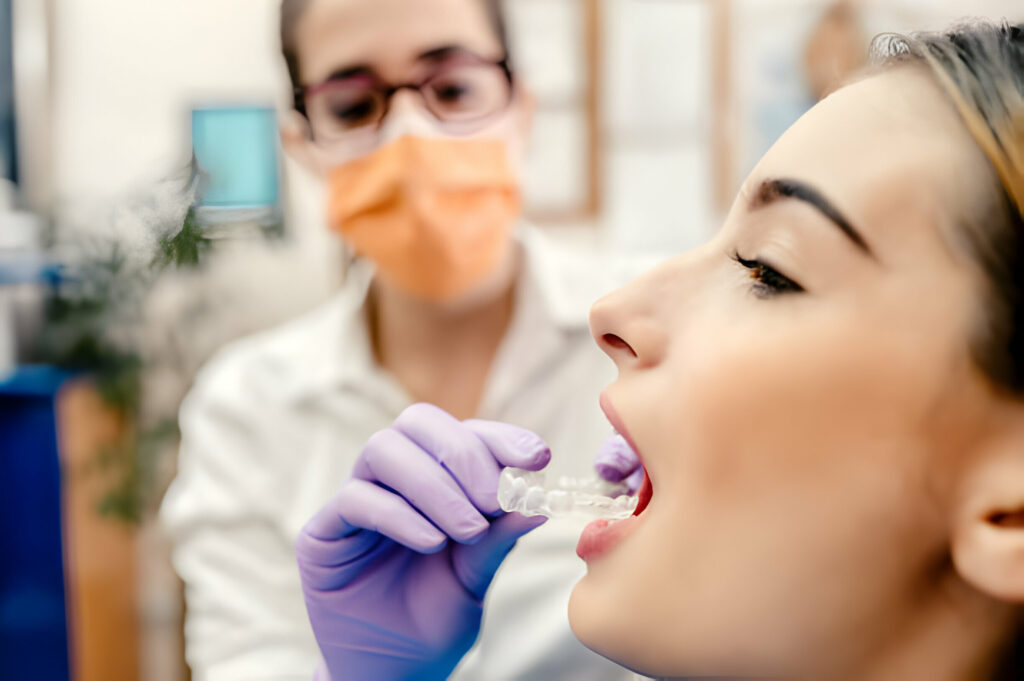
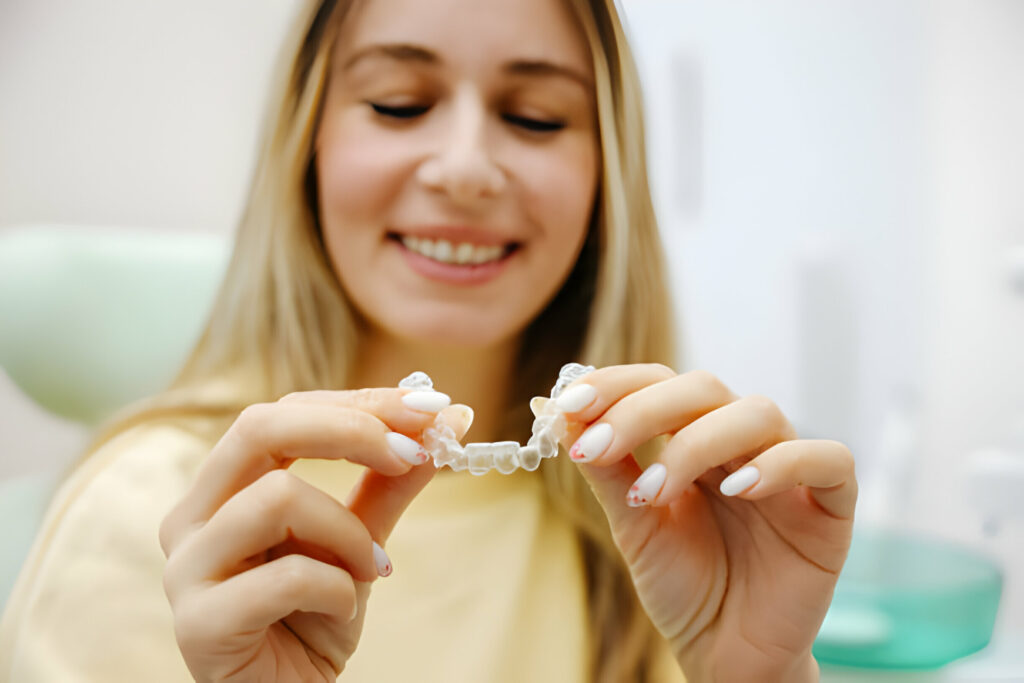
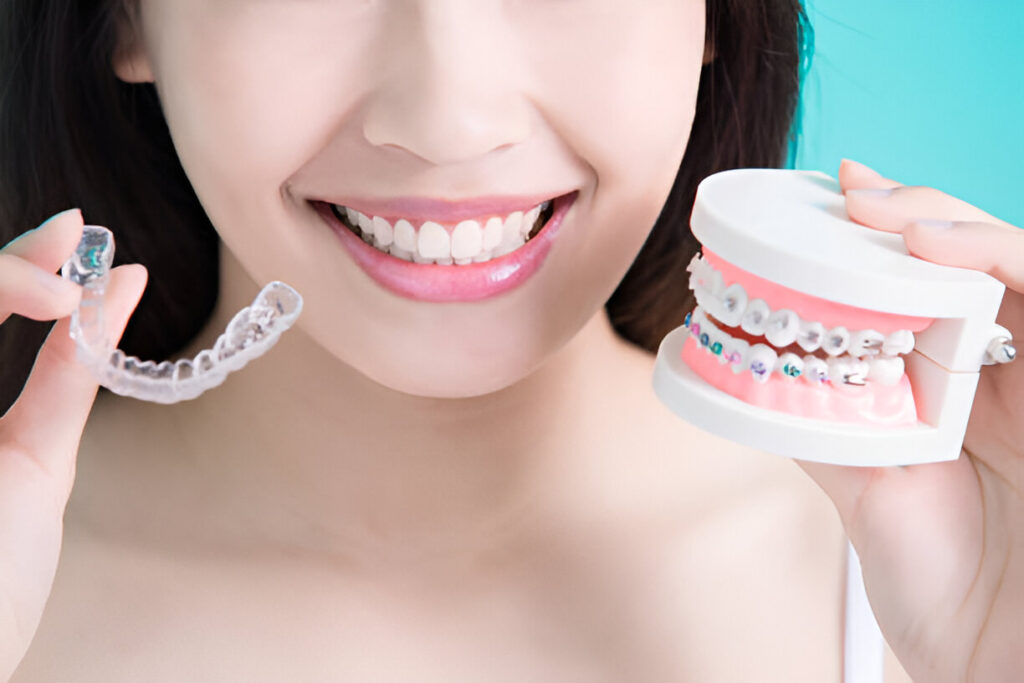
Invisalign is a revolutionary teeth-straightening system that uses clear, plastic aligners custom-made for your teeth. Unlike traditional braces with metal brackets and wires, Invisalign aligners are smooth, comfortable, and nearly invisible.

The process starts with a 3D scan of your teeth. This scan helps create a series of aligners designed to move your teeth into their ideal position gradually. Invisalign aligners are made of medical-grade thermoplastic polymers approved for long-term use inside the human body. The process requires switching to a new set of aligners in a few weeks. On average, patients usually require between 20 and 30 sets of aligners.

How Invisalign aligners work

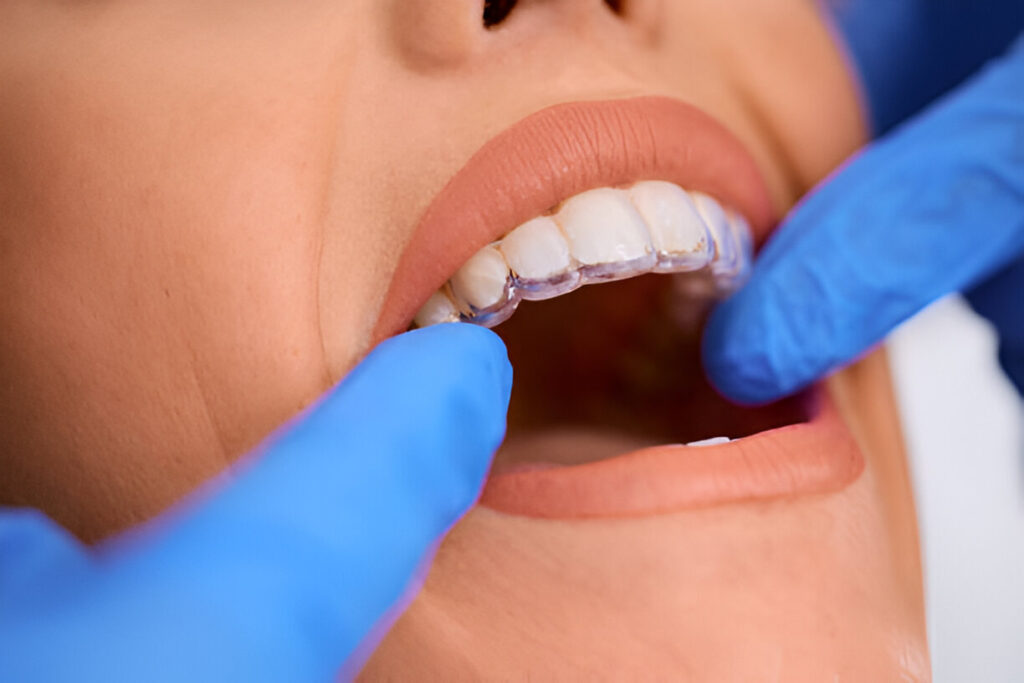
Invisalign aligners gradually shift teeth into the desired position using a series of custom-made, clear plastic trays. 3D digital scans of your mouth help design these aligners, and you must replace them after a pre-decided period. Each new set of aligners continues progressing after the final alignment.

Choosing Invisalign Over Braces

Invisalign aligners are an upgrade to braces by many notches. They’re nearly invisible, have lesser discomfort, and are removable, so you’re free to eat and drink whatever you’d like.

Comparison with traditional braces

While Invisalign can be more expensive upfront, many find it worth the investment for the comfort and aesthetic benefits. Plus, many dental insurance plans cover Invisalign just like traditional braces.

Aesthetic Appeal

The biggest advantage of Invisalign is that it’s nearly invisible. Most people won’t even notice you’re wearing them. This is a huge confidence booster, especially for teens and adults who are self-conscious about their appearance.

Comfort and Convenience

Invisalign aligners are made just for your teeth, so they fit snugly and comfortably. No more worrying about sharp metal brackets or wires poking your mouth. Plus, you can remove them when eating or brushing your teeth, making daily routines much easier.

Improved Oral Hygiene

Cleaning your teeth can be a hassle with traditional braces. Invisalign makes it easy. Just remove the aligners to brush and floss as you normally would. This reduces the risk of cavities and gum disease during treatment.

Predictable Outcomes

Invisalign treatment utilizes advanced digital technology to develop a detailed step-by-step plan for moving your teeth. This approach lets patients preview their anticipated results before the treatment, ensuring a predictable and controlled journey toward achieving a straighter smile.
Benefits Of Invisalign For Aligning Your Teeth

With Invisalign, you receive a snug-fit wearable appliance that lets you stay comfortable while getting your teeth to their optimal alignment.

Removability

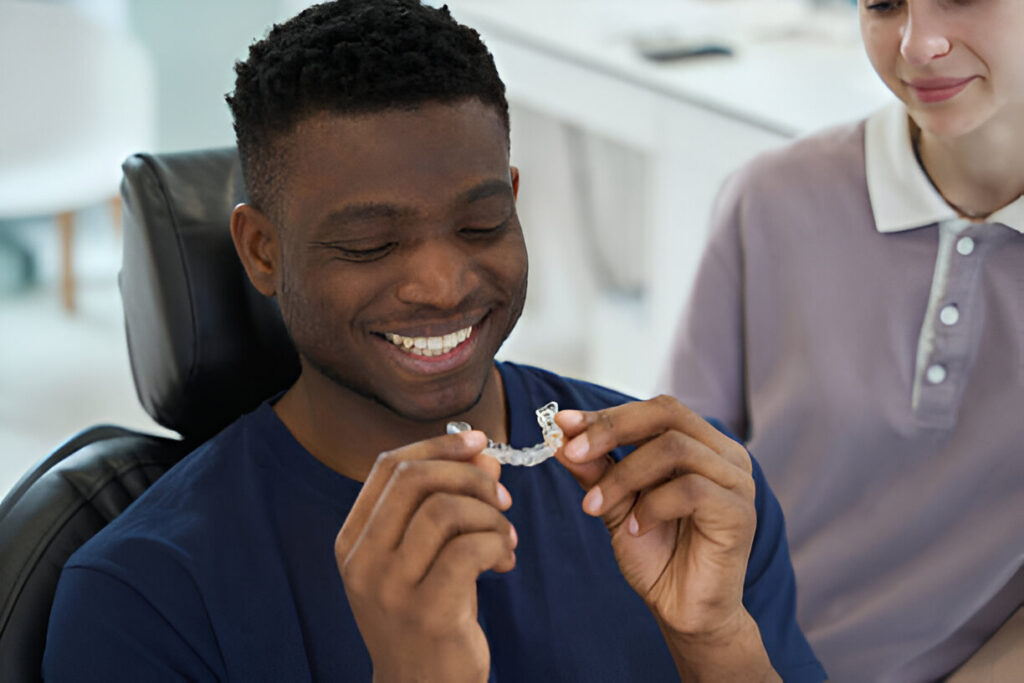
One of the standout benefits of Invisalign is that it’s easily removable. Unlike traditional braces affixed to the teeth gap, you can easily remove the Invisalign aligners before eating. This allows you to enjoy your favorite foods without restrictions.

It also simplifies brushing, cleaning, and flossing, ensuring better oral hygiene. Plus, if you have a special event or meeting, you can temporarily remove them. This flexibility is a significant advantage, making Invisalign a more comfortable and lifestyle-friendly option for teeth straightening.

Fewer dentist visits

With Invisalign, you won’t need frequent trips to the dentist and disruptions to your schedule. Unlike traditional metal braces that require regular office visits for adjustments, Invisalign offers the convenience of changing your aligners at home.

You receive all your aligner trays upfront, so you can progress through your treatment phases without needing additional dentist appointments. Removing and wearing your aligners is straightforward, helping you save time.

The Right Fit

Invisalign aligners are unique and fit your teeth perfectly. Using the latest 3D imaging scanning, your dentist will produce a precise digital mouth model. This ensures that each aligner is unique to your dental structure, providing a snug and comfortable fit.

The aligners consist of a material designed to apply consistent and gentle pressure to move your teeth efficiently. This personalized approach not only enhances comfort but also improves the effectiveness of the treatment, giving you a better overall experience.

Shorter Treatment Duration

Invisalign can often straighten teeth faster than traditional braces. On average, treatment with Invisalign lasts about 12 to 18 months, whereas braces can take up to two years or more. The duration depends on the complexity of your case, but many patients see noticeable improvements within a few months.

The advanced technology used to design the aligners ensures precise tooth movement, accelerating the treatment process. Regular check-ins with your dentist help monitor progress and make necessary adjustments, ensuring your journey to a straighter smile is as swift and efficient as possible.

No Food Restrictions

With Invisalign, you don’t have to avoid your favorite foods. Since the aligners are removable, there are no dietary restrictions, unlike traditional braces, which require avoiding hard, sticky, or chewy foods.

You can eat what you love, from nuts and fruits to chewy items, without damaging your orthodontic device. Simply remove the aligners before eating and put them back in after brushing your teeth.

This freedom to eat normally makes mealtimes more enjoyable and helps maintain a balanced diet and good nutrition throughout your treatment.
Predictable Results

Thanks to its top 3D imaging scanning technique, Invisalign offers highly predictable results. Before starting the treatment, your dentist will create a detailed digital plan showing the progress of your teeth’s movement step by step.

You’ll be able to see a virtual representation of the outcome even before you start wearing the aligners. This predictability allows for more precise planning and tracking of progress. Regular dental visits ensure everything is moving as expected, and adjustments can be made if needed.

This technology-driven approach gives you confidence and peace of mind, knowing exactly what to expect. For personalized Invisalign treatment, consider visiting a dentist in Aubrey, TX, who can provide the aligner trays and guidance needed for a smooth and effective teeth-straightening journey.

Takeaway

  • Invisalign aligners fit your teeth perfectly, ensuring a correct and comfortable experience
  • Enjoy the freedom to remove your aligners when eating, drinking, or for special occasions, making it easier to maintain oral hygiene
  • Invisalign often provides quicker and more visible results compared to traditional braces
  • Schedule an appointment with a trusted Invisalign dentist in Aubrey at Paloma Creek Dental for those ear-to-ear grins!
The Pros and Cons of Popular Cosmetic Dentistry Procedures

Summary

Did your dentist recently suggest you undergo cosmetic dentistry?

If yes, then you aren’t alone! Cosmetic dentistry is the go-to option for nearly one-fifth of Americans. This aspect of dentistry uses a variety of procedures to make individuals feel self-conscious about themselves.

Interestingly, however, every cosmetic procedure is different and has its pros and cons. Therefore, let’s learn more about these procedures via topics like:

  • Pros and Cons of Popular Cosmetic Dentistry Procedures
  • Tips to Find the Ideal Cosmetic Dentist for Yourself!

So continue reading as we learn more about the procedures in the following sections.

Pros and Cons of Popular Cosmetic Dentistry Procedures

Teeth Whitening

Your teeth may become discolored for various reasons, including not cleaning your them properly and consuming too much red wine or coffee. Once the stains set in, it might be challenging to remove them with a brush. However, this does not imply you will be stuck with discolored and yellow teeth forever.

You can now undergo professional teeth whitening to enhance your smile. This approach allows you to lighten and brighten your smile in one or two visits to your dentist.

Pros of Teeth Whitening

Depending on the whitening procedure suggested by your dentist in Aubrey, TX, you might have whiter teeth in an hour or less. For example, many people choose laser treatments to whiten their teeth, which can brighten even heavily stained/colored teeth by several shades.

Teeth whitening procedures are quick and relatively inexpensive. This is mostly because they are noninvasive therapies that require little effort.

Cons of Teeth Whitening

However, along with its perks, professional teeth whitening also comes with certain downsides. It does not permanently eliminate all stains; it can reduce but not completely erase significant stains. Additionally, excessive teeth whitening may result in tooth discomfort.

Dental Crowns

Dental crowns are caps or coverings that protect dead or damaged teeth that are no longer functioning, causing you a lot of trouble, or don’t align with your natural look. Your dentist may use crowns to improve your smile for the most natural appearance possible.

Pros of Teeth Dental Crowns

Crowns are incredibly resilient and can survive for an extended period (10-15 years when cared for). Thanks to their custom approach, your crowns feel like a part of your teeth, giving you a natural look post-operation.

Cons of Teeth Dental Crowns

The biggest drawback of dental crowns is that they take a long time to complete. For example, getting your crowns normally takes around two weeks from your initial dentist appointment.

Dental Bonding

Just because a tooth is chipped or broken doesn’t mean you must have veneers or crowns. Instead, you might choose dental bonding, which is relatively inexpensive compared to other frequent cosmetic dentistry procedures.

As the name suggests, dental bonding often includes using porcelain or composite resin. Your cosmetic dentist in Aubrey selects resin to match your current teeth color, resulting in the most natural appearance.

Pros of Dental Bonding

Dental bonding is a great option if you need to mend your teeth quickly or have a major event coming up. It can revamp your smile in no time.

After the dentist forms the composite resin for your fractured tooth and the resin hardens, you can resume normal activities. Furthermore, as long as you properly care for your dental bonds, they can last for a long time.

Cons of Dental Bonding

The disadvantage is that their durability is not as much as other cosmetic dental treatments, such as veneers. Additionally, they restrict you from enjoying hard foods such as nuts since they might break or chip.

Veneers

Like bonding, dental veneers are constructed using either composite resin or porcelain. These thin plates are placed over teeth to create a more appealing smile.

Pros of Veneers

Veneers may treat any cosmetic dental condition, including gaps, broken teeth, and yellow teeth. They also have a long life, lasting over 20 years under ideal conditions.

Cons of Veneers

One of the most significant disadvantages of veneers is that they are irreversible. This is because dentists must file down your teeth before applying veneers.

Besides, veneers are a pricey treatment option. Undergoing veneers for one tooth can cost several thousand dollars. Therefore, you’ll need a significant budget if you want a whole mouth of veneers.

Tips to Find the Ideal Cosmetic Dentist for Yourself!

Reviews

The most effective approach to determining the reliability of a cosmetic dentist in Texas or a clinic is to read the reviews published by other members who have picked them before you. Trustpilot, Google Reviews, Facebook Reviews, and website testimonies will help you understand whether a particular dental practice has managed to satisfy patients so far!

Recommendations

Most customers would not request this, but why not ask to talk with previous patients who have received similar procedures/treatment from that dentist? This is a positive indicator if the dentist is willing to connect you with prior patients.

Photographs

Cosmetic dentistry is a visual experience, all about the beauty and aesthetics of a smile and a person. Asking to see or follow a Pinterest, Instagram, and before-and-after page for that dentist or clinic will assist you in determining whether they are the best option.

Credentials

It is critical to determine what training this dentist has. Cosmetic dentistry is not a postgraduate specialty that requires a certification; it often requires various training courses that dentists take for years.

Takeaway

  • Your teeth may become discolored for various reasons, including lack of proper cleaning and excessive consumption of red wine or coffee.
  • One of the most significant disadvantages of veneers is that they are irreversible.
  • Just because a tooth is chipped or broken doesn’t mean you must have veneers or crowns.
  • Like bonding, dental veneers are also constructed using either composite resin or porcelain.
  • If you still need clarification about your options with different cosmetic dentistry procedures, contact our experts at Paloma Creek Dental today!

When to Seek Emergency Dental Care: Signs You Shouldn’t Ignore

Summary

Did you know? Nearly 2 million individuals visit hospital emergency departments.

We often overlook dental emergencies as most people think they aren’t dangerous.

However, that’s where you might be wrong! When left unattended, dental emergencies can harm your overall health. Sadly, most people have a limited idea of what counts as a dental emergency.

Keeping the same in mind, this blog closely examines emergency oral care signs you shouldn’t ignore. We understand topics like:

  • Signs of Emergency Dental Issues
  • 5 Signs that Shout ‘Dental Emergency’
  • Tips to Navigate Through Dental Emergency

Let’s learn more about these emergencies in the following sections.

Signs of Emergency Dental Issues

Several indicators may suggest an oral emergency. For instance, if you have a knocked-out, broken, or fractured tooth or are experiencing significant pain in your mouth, you should seek expert medical assistance immediately.

However, not every inconvenience has to be a dental emergency! Before you visit your emergency dentist in Aubrey, TX, you must understand that not every symptom requires immediate assistance.

There are several signs of a dental emergency. In the following section, we will learn more about them.

5 Signs that Shout ‘Dental Emergency’

1. You’ve cracked a tooth

A shattered or fractured tooth isn’t only a cosmetic concern! The break might expose your tooth roots and allow bacteria into your teeth.

It’s always better to consult your dentist in such instances. They can help repair damaged teeth by reattaching the broken piece of enamel using dental bonding or a crown. Prompt treatment can help relieve your discomfort while preserving your tooth from illness or loss.

Tip: Avoid chewing on non-food things like pen caps or ice to prevent cracked teeth.

2. You’re dealing with an avulsed tooth

Knocked or avulsed teeth are another sign of an oral emergency. To offer your tooth the best chance of reattaching, knocked teeth require prompt attention, ideally within 30 minutes of the incident.

Therefore, if you’ve experienced such a situation, keeping your knocked-out tooth wet is best. You can put it back in your tooth socket, a tiny milk bottle, or a toothsaver (commonly included in a first aid kit). However, remember to stay cautious and not touch the dental roots during the procedure.

Tip: When playing sports, always wear a mouthguard to avoid oral injuries.

3. You have a severe toothache

There are several reasons why you might be experiencing excruciating pain in your tooth, namely:

  • Exposed roots
  • Cavities
  • Infections
  • Dry sockets and impacted wisdom teeth

A toothache can be a lingering discomfort that becomes severe with time. The cause of your discomfort determines the treatment you receive. For example, a cavity is often treated with a filling; however, an infection necessitates a different approach.

Tip: Before you arrive for your dental visit, gargle with salt water and apply a cold compress to the side of your face where your toothaches.

4. You have something caught in between your teeth

If something gets trapped between your teeth or gums, it may lead to various problems. Debris can irritate your gums and increase your chances of infection.

The American Dental Association recommends removing foreign items with floss rather than sharp or spiky objects. If the floss isn’t working, it’s time to visit your Emergency Dental TX. They can help remove the foreign item before it becomes a breeding habitat for germs.

5. You spot the signs of an abscess

A pimple-like development on your gums may indicate an abscess. This little lump packed with pus suggests that you have a bacterial infection.

You may also experience a fever, swelling of your face or lymph nodes, and severe pain extending from your mouth to your jaw and neck. Your dentist may perform a root canal to save your tooth during emergencies.

Tips to Navigate Through Dental Emergency

Dental problems can be unpleasant and bothersome at times. However, you needn’t run to your emergency dentist if you have the right tips to navigate the situation. You can use some effective strategies to relieve your discomfort.

Here are some ways of dealing with any dental emergency:

1. Identify the Dental Emergency

All dental problems are not serious enough to be treated as dental ‘emergencies’. Toothaches may wait (if the pain isn’t severe); you don’t need to see the dentist in the middle of the night.

On the other hand, situations such as a knocked-out tooth or bleeding gums are termed as dental emergencies as they require immediate medical attention. If your face is bloated and painful, it might be caused by an infection or an issue only a dentist can treat.

2. Do Not Panic

While panicking is a normal reaction to a crisis, staying cool might help you figure out what’s happening. Instead of stressing out, try softly inhaling and exhaling to calm down. You can schedule an urgent appointment with a dental facility that treats dental emergencies.

3. Use First-Aid Techniques

There are instances when you cannot visit your emergency dentist immediately! In such situations, you might perform some basic first aid at home to stop the bleeding or relieve the pain.

0000

For example, you can preserve a knocked-out tooth in a milk container until you visit the dentist. Various hot and cold compression techniques can help alleviate pain and edema. What’s more? Rinsing your mouth with salt and water can also help to prevent gum infections and bleeding.

4. Reduce the chance of having a dental emergency

Taking precautions and seeing the dentist immediately might help avoid dental emergencies. As a preventive measure, you should wear mouthguards during sports and address your cavities and infections early. Chipped teeth are less likely to occur if you follow your dentist’s instructions and avoid biting on harsh objects.

5. Staying Prepared Is The Key

You should be prepared to handle a dental emergency! First-aid supplies such as gauze, bandages, and antiseptic mouthwash may be useful in emergencies, so always keep them handy. You may add a dentist’s phone number to your “speed dial.”

Stay Ready!

Dental emergencies can undoubtedly be unpleasant and frightening, but there are precautions you can take to avoid them. The first suggestion is to be calm and examine the situation. If you have a knocked-out tooth, try to keep it in milk or saliva until you’re able to see a dentist.

If you have a fractured tooth, it’s best to rinse your mouth with warm water and use a cold compress to relieve swelling. If you have extreme pain or bleeding, call an emergency dentist immediately. They can provide quick comfort while preventing further injury. It is critical not to ignore any indicators of a dental emergency since they might lead to more severe complications.

To avoid dental emergencies, practice good oral hygiene, such as brushing twice daily and flossing often. Also, wear protective gear when playing sports that might harm your teeth.

Takeaway

  • A shattered or fractured tooth isn’t only a cosmetic concern! The break might expose your tooth roots and allow bacteria into your teeth.
  • Taking precautions and seeing the dentist regularly might help avoid dental emergencies.
  • There are instances when you’re unable to visit your emergency dentist immediately!
  • A toothache can be a lingering discomfort that becomes severe with time.
  • Dental emergencies require prompt action! Don’t waste your time; connect with our experts at Paloma Creek Dental today!

Maintaining Oral Hygiene With Invisalign: Tips And Tricks

Summary:

Metal braces with clunky wires can be uncomfortable and make it challenging to practice better oral hygiene.

On the contrary, Invisalign is exceptionally comfortable and allows you to maintain and care for them easily.

What’s more? You can undergo Invisalign treatment discreetly without drawing too much attention.

Over 17% of users have switched from braces to Invisalign aligners, thanks to their comfort and ease of wear. However, you must properly care for your aligners to ensure their effectiveness and durability.

Since most people are unaware of its caring and maintenance tips, we have put together this article to educate them. In the following sections, we shall discuss:

  • First Thing First, Why Oral Hygiene Matters With Invisalign?
  • Effective Strategies For Maintaining Oral Hygiene With Invisalign
  • Risks Of Ignoring Adequate Care & Maintenance Of Your Invisalign

Continue reading to understand more about Invisalign and how to maximize their longevity.

First Thing First, Why Oral Hygiene Matters With Invisalign?

Effective oral hygiene is paramount, especially when undergoing treatment with Invisalign. Invisalign, the discreet alternative to traditional braces, offers numerous benefits but demands diligent oral care.

Oral hygiene matters with Invisalign in Paloma; here’s why:

To Prevent Decay

Invisalign aligners snugly fit over the teeth, creating an environment where bacteria can thrive if oral hygiene is neglected. Failure to maintain proper care may result in plaque buildup, potentially leading to tooth decay and gum issues.

To Avoid Stains

Since Invisalign aligners are clear, any food particles or beverages consumed while wearing them can cause staining. Regular brushing and flossing are crucial to prevent stains and maintain the aligners’ transparency throughout the treatment.

To Maintain Fresh Breath

Poor oral hygiene can cause bad breath, especially when wearing aligners for extended periods. Food particles trapped between teeth and aligners can foster bacterial growth, resulting in unpleasant odors. Consistent oral care routines help combat bad breath and eliminate bacteria.

To Preserve Overall Oral Health

Invisalign treatment aims to enhance tooth alignment and health. However, paying attention to oral hygiene can compromise these goals. A diligent oral care routine ensures the success of Invisalign treatment and contributes to overall oral health.

To Maintain Treatment Efficiency

Clean teeth and aligners are essential for maximizing the effectiveness of Invisalign treatment. Any plaque or debris buildup can hinder tooth movement and prolong treatment duration. Prioritizing oral hygiene supports timely and successful treatment outcomes.

Effective Strategies For Maintaining Oral Hygiene With Invisalign

Maintaining optimal oral hygiene is essential, but it becomes especially crucial when undergoing Invisalign treatment in Aubrey, TX. These clear aligners are popular for straightening teeth due to their discreet nature and comfort.

However, they require diligent care to ensure both their effectiveness and the health of your teeth and gums. Here are some comprehensive strategies to help you maintain excellent oral hygiene while wearing Invisalign:

Commit To Regular Brushing

Brushing your teeth after every meal is a cornerstone of good oral hygiene, and it’s even more critical when wearing Invisalign. Food particles can quickly become trapped between your teeth and aligners, leading to plaque buildup and potential dental issues. Use a soft-bristled toothbrush and fluoride toothpaste to clean all tooth surfaces and aligners thoroughly.

Prioritize Daily Flossing

Flossing is often overlooked but is as crucial as brushing, especially during orthodontic treatment. Invisalign aligners can create tight spaces where food debris and plaque accumulate, making flossing indispensable for maintaining healthy gums and preventing cavities. Incorporate flossing into your daily routine to ensure comprehensive cleaning.

Clean Your Aligners Consistently

Proper care of your Invisalign aligners is essential for both hygiene and clarity. Rinse your aligners with lukewarm water every time you remove them from your mouth to prevent saliva and plaque from drying. Additionally, consider using a clear, anti-bacterial soap to gently clean them, ensuring they remain free from bacteria and odor.

Utilize Soaking Solutions

Soaking your aligners in specialized cleaning solutions helps disinfect them and remove any stubborn buildup. Denture cleaners or Invisalign cleaning crystals are practical options for keeping your aligners clear and hygienic. For best results, follow the instructions from our dentists, Aubrey, TX, or the product manufacturer.

Be Mindful of Staining Foods And Drinks

Certain foods and beverages can stain your teeth and your aligners. While wearing Invisalign, it is wise to minimize the consumption of items such as coffee, tea, red wine, and heavily pigmented sauces. If you indulge in any of these, promptly brush your teeth and clean your aligners to prevent staining.

Stay Hydrated

Drinking adequate water throughout the day keeps you hydrated and helps rinse away food particles and bacteria from your mouth. Proper hydration contributes to oral health and can prevent dry mouth, bad breath, and other dental risks.

Adhere To Orthodontist’s Guidelines

Your orthodontist is your partner in achieving a healthy, beautiful smile with Invisalign. Pay close attention to their instructions regarding wear time, cleaning methods, and follow-up appointments. They may provide additional tips tailored to your treatment plan and oral health needs.

Risks Of Ignoring Adequate Care And Maintenance Of Your Invisalign

As you embark on your journey with Invisalign, it’s crucial to understand the importance of proper maintenance in achieving the desired results efficiently and safely. Neglecting adequate care and maintenance can lead to various complications. Some of them are listed below:

Poor Teeth Alignment

Invisalign gradually shifts teeth into the desired position. However, failure to wear aligners for the recommended duration can hinder this process. As a result, your teeth may not align correctly, prolonging the treatment duration and possibly requiring additional interventions.

Increased Discomfort

Regular cleaning of your Invisalign aligners helps prevent bacteria and plaque buildup. Ignoring this maintenance can lead to a buildup of harmful substances, causing discomfort, bad breath, and even oral infections.

Risk Of Cavities And Gum Disease

Inadequate cleaning of your Invisalign trays can trap food particles and bacteria against your teeth and gums, increasing the risk of cavities and gum disease. These oral health issues not only disrupt your treatment but can also lead to long-term complications if left untreated.

Damage To Aligners

Neglecting proper care can damage your Invisalign aligners, compromising their effectiveness and necessitating replacements. Cracks, stains, or warping of the aligners can interfere with the treatment process.

Takeaway

  • Maintaining oral hygiene during Invisalign treatment is crucial to preventing dental issues such as decay, staining, and bad breath.
  • Proper oral care helps avoid tooth decay, gum problems, and bad breath caused by bacteria between teeth and aligners.
  • Regular brushing after meals, daily flossing, using soaking solutions, and being cautious of staining foods are vital for oral hygiene with Invisalign.
  • Adhering to the orthodontist’s instructions regarding wear time, cleaning methods, and appointments is crucial for successful Invisalign treatment.
  • Neglecting Invisalign maintenance can lead to misalignment, discomfort, cavities, gum disease, and aligner damage.
  • Get the perfect smile with Invisalign at Paloma Creek Dental. Let’s reinvigorate your smile today!

Saving Your Smile: When to Choose a Periodontist or Endodontist

Summary:

Like the different organs that work together in harmony for one common function, you often need to consult two different experts to maintain your oral health.

For instance, while both periodontists and endodontists serve a common goal (your oral health), these specialists focus on different parts of your mouth. Therefore, it becomes important to understand the difference between these experts, their role in smile dentistry, and their specific role in your smile.

Keeping the same in mind, this blog takes a closer look at endodontist vs. periodontist via topics like:

  • More About Periodontists and Endodontists – Their Role in Smile Dentistry
  • Periodontist vs. Endodontist: Whom to Choose?
  • The Importance of Knowing the Right Professionals
  • Choosing the Right Dentist for Your Oral Health

Continue reading as we learn more about these experts in the following sections.

More About Periodontists and Endodontists – Their Role in Smile Dentistry

Periodontist – Who are They?

A periodontist is a specialist who treats oral conditions that affect our gums and other supporting structures of the teeth. The treatment is generally focused on gums, alveolar bone, and cementum.

Periodontists are highly trained and knowledgeable individuals who treat gum inflammation or gingivitis. These experts also treat periodontitis or infection in the deeper structures of the teeth.

Educational Expertise of A Periodontist

Periodontists undergo three years of residency after dental school. They are experts who know about the conditions affecting the gums and how to treat them. Moreover, these experts also have a great idea about various surgical and non-surgical treatment methods.

Endodontists- Who are They?

Endodontists have extensive experience diagnosing problems related to the softer tissues around the roots of teeth. These experts have a thorough understanding of the dental pulp, which particularly consists of the soft inner tissue of the tooth.

Endodontists are professionals trained to perform root canal treatments, which involve cleaning oral pulp from inside teeth. They use advanced technologies and specialized techniques to perform precise and effective treatments.

Educational Expertise of An Endodontist

Endodontists’ specialized training lasts up to three years during which they learn about the pulp inside teeth, and understand the different conditions affecting the pulp and other close structures.

These experts also learn about administering local pain medication to alleviate patients’ discomfort, microsurgery, and root canal treatments.

Periodontist vs. Endodontist: Whom to Choose?

Choosing between an endodontist and a periodontist can be confusing, especially when facing specific dental issues. Both of these specialists play a crucial role in maintaining oral health. Therefore, it’s vital to make an informed decision about whom to consult and when based on your dental needs.

Here’s a detailed overview of the different conditions when you should connect with these professionals:

When to Choose A Periodontist?

Gum disease treatment

Are you suffering from swelling, bleeding, or receding gums? Chances are that you have gum disease. It’s best to connect with your nearest periodontist in Paloma. 

They can help you eliminate the pain with scaling and root planning. These procedures are designed to remove any plaque and tartar that might have built up below the gumline.

Gum Recession

Periodontists are experts in addressing gum recession. When left untreated, it can expose the roots of your teeth, leading to sensitivity and aesthetic concerns.

In such conditions, it’s best to visit a periodontist. These professionals will perform gum grafting procedures to cover the exposed roots and restore gum tissue.

Implant Placement

A periodontist could be your go-to option if you’re considering dental implants to replace missing teeth. These professionals can evaluate your oral health and surgically place implants into your jawbone.

They also ensure proper healing and integration of the implants with the surrounding tissues. It helps you get a natural-looking alternative and fix your smile.

Bone Regeneration

Periodontists are experts in treating bone loss. They have the right treatment options to cure bone loss around teeth caused by advanced gum disease.

They use advanced techniques like bone grafting to regenerate lost bone tissue. Once complete, it supports implants and existing teeth to improve your smile.

When to Choose An Endodontist?

Severe Toothache

Persistent tooth pain (especially when chewing or applying pressure) strongly indicates a root canal infection. Left untreated, it can cause significant damage to your cavity.

Endodontists can help you eliminate such pain by performing root canal therapy. The procedure is designed to remove the infected pulp to support other teeth in your mouth.

Dental Pulp Infections

Dental pulp infection, or pulpitis, is when patients experience spontaneous pain or sensitivity to hot or cold. It could also result in swelling around the tooth.

However, this is where an endodontist can provide appropriate treatment to alleviate symptoms. They will suggest the proper medications to reduce the symptoms and eventually save your tooth.

Trauma Dental Injuries

Trauma to your oral cavity comes uninvited. It can be random and result in effective tooth loss if not addressed properly.

Prompt treatment by an endodontist can help save your injured teeth. These experts are skilled in managing traumatic dental injuries and restoring your smile.

Extraction of Broken Tooth

Broken teeth pose a serious threat to your oral health. Endodontists are experts in dental roots and can assist with tooth extraction if the tooth is broken or damaged.

Furthermore, an endodontist can help you recover your teeth. In more difficult circumstances, an endodontist may be able to salvage your tooth effectively.

The Importance of Knowing the Right Professionals

In medicine, specialists and subspecialists work together to keep you healthy. Interestingly, dentistry is no different!

To maintain a healthy mouth, teeth, and gums, you must work with a team of dental specialists. The members of this team will be selected based on your oral health needs. Not everyone needs regular visits to a periodontist or endodontist. If you require specialized care, please be aware that professionals can assist.

Your general dentist in Aubrey, TX, is the first specialist you’ll work with. They perform checkups, clean the teeth, and fill cavities. They are adept in restoring teeth and detecting issues early.

You may visit a periodontist if you have gum disease or need a dental implant. They can perform deep cleanings of the gums to save your teeth or place implants to replace missing teeth.

If you have tooth pain or infection, you will need an endodontist. Endodontists can help you keep your teeth for a lifetime. Remember, your entire mouth needs care from multiple dental experts. It is important to have a trusted general dentist who works with the very best dental specialists.

Choosing the Right Dentist for Your Oral Health

Now that you understand the difference between the two professionals, the decision to consult a periodontist or endodontist depends on your dental condition.

But before that, you should consult your general dentist for an initial evaluation and recommendation. They can refer you to the appropriate specialist based on your needs.

To avoid visits to such professionals, you must maintain good oral health by following simple guidelines. Lastly, develop healthy habits such as proper brushing and flossing, regular visits to dentists, avoiding smoking, and minimizing sugary drinks and foods.

Takeaway

  • A periodontist is a specialist who treats oral conditions that affect our gums and other supporting structures of the teeth.
  • Endodontists have extensive experience diagnosing problems related to the softer tissues around the roots of teeth.
  • The decision to consult a periodontist or endodontist depends on your dental condition.
  • Choose what’s right for your smile! Learn more about the different branches of dentistry with our experts at Paloma Creek Dental. Visit today.

Why Should You Consider Cosmetic Dentistry In Texas?

Summary:

Let’s face it: While we all want a perfectly flawless smile, not everyone is born with one.

Growing up, we undergo many changes, resulting in an imperfect smile caused by gapped, broken, chipped, misaligned, crooked, or discolored teeth. Sometimes, flawed teeth can ruin your smile and confidence and restrict oral functions.

Thankfully, we have cosmetic dentistry, where dentists in Aubrey, TX, can address various imperfections to transform your smile and restore your confidence. Yet, most need to be made aware of the services offered by cosmetic dentistry.

Keeping that in mind, we shall walk you through topics like:

  • Cosmetic Dentistry – A Makeover For Your Smile
  • Improving Your Smile: Common Dental Flaws Fixed By Cosmetic Dentistry
  • Why Should You Consider Aesthetic Dentistry To Correct Your Smile?
  • Is Cosmetic Dentistry Safe For Everyone?

Continue reading as we learn everything about aesthetic dentistry in the following sections.

Cosmetic Dentistry – A Makeover For Your Smile

A captivating smile grabs everyone’s attention, making it easier to form relationships and advance in your career. Flawed and imperfect teeth, on the other hand, can make you escape the limelight in social gatherings and workplaces.

Thanks to cosmetic dentistry in Texas, you can enhance your smile’s aesthetics by correcting flawed teeth. In the past five years, cosmetic dentistry has grown by 12.5%, which shows its popularity among individuals with flawed teeth.

Cosmetic dentistry in Texas is a specialized field within dental care dedicated to improving the aesthetic appearance of teeth, gums, and smiles. It encompasses a variety of treatments and procedures aimed at enhancing teeth’s visual appeal while maintaining their functionality and health.

Improving Your Smile: Common Dental Flaws Fixed By Cosmetic Dentistry

Cosmetic dentistry has revolutionized the field of dental care by offering several procedures to improve the aesthetic appeal of smiles. Dentists specializing in dental aesthetics employ various techniques to address dental imperfections, from discoloration to misalignment.

Here’s an in-depth look at the common flaws corrected by aesthetic dentistry:

Discoloration

Stained or discolored teeth can significantly ruin your smile. Tooth discoloration may happen due to aging, consumption of staining substances like coffee or tobacco, or certain medications.

TX cosmetic dentists employ professional teeth whitening treatments to effectively remove stains and restore teeth’s natural brightness. They use bleaching agents to penetrate the enamel and break down stains, resulting in a noticeably whiter smile.

Chips And Cracks

Accidents or injuries can lead to chipped or cracked teeth, compromising the smile’s appearance and structural integrity. Aesthetic dentistry offers solutions such as dental bonding and porcelain veneers to repair these imperfections.

Dental bonding involves applying a tooth-colored composite resin to the affected area. Porcelain veneers, on the other hand, are thin shells custom-made to cover the front surface of teeth, concealing chips, cracks, and other flaws.

Misalignment

Crooked or misaligned teeth affect the smile’s appearance, leading to oral health issues such as difficulty cleaning between teeth and an increased risk of gum disease. Professional dentist cosmetics offer orthodontic treatments like traditional braces and clear aligners to straighten teeth.

Traditional braces utilize metal brackets and wires to gradually move teeth into the desired position, while clear aligners provide a discreet and convenient alternative for mild to moderate misalignment.

Gummy Smile

When smiling, an excessive display of gum tissue can make teeth appear shorter and impact your smile. Professional dentists employ gum contouring or crown lengthening procedures to reshape the gum line and create a more balanced and aesthetically pleasing smile.

Gum contouring involves the removal of excess gum tissue to reveal more of the tooth’s surface, while crown lengthening involves the surgical reshaping of the gum and bone to expose.

Missing Teeth

Gaps left by missing teeth can affect the smile’s appearance and lead to functional issues such as difficulty chewing and speaking. Cosmetic dental procedures offer various solutions for replacing missing teeth, including dental implants and dentures.

Dental implants are titanium posts surgically implanted into the jawbone to serve as artificial tooth roots, providing a stable foundation for replacement teeth. In contrast, dentures are removable prosthetic devices that replace multiple missing teeth.

Why Should You Consider Cosmetic Dentistry To Correct Your Smile?

Cosmetic dentistry is where transformation meets functionality, offering many advantages beyond aesthetics.

Consider these benefits as they can enhance your smile and overall oral functionalities:

Boosts Confidence

A radiant smile is more than just visually appealing; it acts as a confidence catalyst to empower you in various social and professional interactions.

Enhances Oral Health

Dental cosmetic procedures enhance and improve your dental structure, potentially reducing the risk of oral health issues like decay and gum disease.

Natural Results

Advancements in aesthetic dentistry yield results that seamlessly blend with your natural teeth, offering a harmonious and authentic smile appearance.

Facial Enhancement

A balanced smile contributes to overall facial symmetry, enhancing your beauty and youthful appearance.

Functional Benefits

Besides the physical makeover, aesthetic procedures can improve dental functionality and enhance speech and chewing ability.

Is Cosmetic Dentistry Safe For Everyone?

Cosmetic dentistry has gained significant popularity recently, offering various treatments to enhance dental aesthetics. However, the safety of these procedures for every individual is a valid concern.

Here are some points you should consider before opting for aesthetic dentistry:

  1. Individual Health: Before undergoing teeth surgery cosmetic, it’s crucial to disclose your complete medical history to the dentist. Certain health conditions or medications may affect the safety and success of cosmetic treatments.
  2. Dental Condition: The overall health of your teeth and gums is vital. Untreated dental issues like gum disease or tooth decay may require addressing before cosmetic enhancements.
  3. Allergies And Sensitivities: Some people may have allergies to dental materials used in cosmetic procedures. Professional aesthetic dentists can perform allergy tests or use alternative materials to ensure safety.
  4. Professional Expertise: It is crucial to choose a qualified and experienced cosmetic dentist. Researching their credentials, experience, and patient reviews can help ensure safety and success.
  5. Risks: Cosmetic dentistry carries risks like any medical procedure, such as temporary discomfort or unforeseen aesthetic outcomes. Professionals discuss these risks with you beforehand.

Takeaway

  • Cosmetic dentistry can be your go-to solution to correct your teeth and enhance the appearance of your smile.
  • Aesthetic dentistry encompasses treatments that address discoloration, chips, cracks, misalignment, gummy smiles, and missing teeth.
  • Aesthetic dentistry can significantly boost an individual’s confidence in social and professional environments by improving their smile or even by enhancing their aesthetics.
  • Aesthetic procedures also enhance oral health by strengthening the dental structure and potentially reducing the risk of dental issues like decay and gum disease.
  • Before opting for aesthetic oral treatments, individuals should consider their overall health, existing dental conditions, and allergies or sensitivities to dental materials.
  • Still confused about the possibilities of cosmetic dentistry? Say no more! Connect with our professionals at Paloma Creek Dentaltoday!

Common Pediatric Dental Procedures & Treatments In Aubrey, TX

Pediatric dentists, also known as pedodontists, specialize in providing dental care to children from infancy through their teenage years.

They have received specialized training beyond that of a general dentist to address children and adolescents’ unique oral health needs. Pediatric dentists play a crucial role in promoting good oral hygiene habits and maintaining the dental health of young patients.

This blog explores standard pediatric dental procedures while giving you an idea of the treatment options. So continue reading as we walk you through the different procedures in the following sections of the blog.

But, Why Consult A Pediatric Dentist?

A pediatric dentist is your go-to dentist for several options. Let’s check out some standard pediatric dentistry information highlighting the dentist’s role in our lives:

  1. Preventive Dental Care: Pediatric dentists focus on preventive measures such as dental cleanings, fluoride treatments, and sealants to help prevent tooth decay and other oral health issues.
  2. Diagnosis and Treatment: They diagnose and treat pediatric dental health specific to you, including cavities, gum diseases, and developmental issues. Pediatric dentists receive training in managing children’s behavior during dental visits to create a comfortable and positive experience for young patients who may be nervous or anxious.
  3. Education: They educate parents and children about proper nutrition, oral hygiene practices, and regular dental check-ups. Besides, pediatric dentists can also assess the alignment of teeth and jaw development to determine if orthodontic intervention might be needed.
  4. Emergency Care: Pediatric dentists can handle dental emergencies that might occur with children, such as knocked-out teeth or injuries.

Choosing a pediatric dentist for your child is important to establish good oral health habits from a young age and to ensure they address any dental issues promptly and effectively.

Who Can Seek Pediatric Dental Care From A Pediatric Dentist?

Pediatric dental care is important for children from infancy through their teenage years. Here are some stages when you can pediatric dental care for your children:

  • Infancy (6-12 months): Children have their first dental visit by their first birthday or within six months of the eruption of their first tooth, allowing the dentist to check for any potential issues.
  • Toddlerhood (1-3 years): Children learn about oral hygiene habits during this stage. Regular dental visits reinforce the importance of brushing, flossing, and a healthy diet.
  • Preschool Years (3-5 years): Regular dental check-ups are important for early detection of any cavities or other dental problems as children’s primary teeth continue to develop.
  • School-Age Children (6-12 years): This is a crucial period for maintaining oral health. Regular dental visits can ensure that cavities are caught early and that preventive measures like sealants and fluoride treatments are provided.
  • Teenage Years (13-18 years): Adolescence brings its own set of dental challenges. Wisdom teeth may start to emerge, and orthodontic needs might become apparent. Regular dental check-ups during these years help monitor oral health, address orthodontic concerns, and guide teenagers toward maintaining healthy habits.

Common Pediatric Dental Procedures And Treatments You Should Know Of!

Here are some common pediatric dental treatments in Aubrey, TX:

Dental Cleanings (Prophylaxis):

Regular dental cleanings are essential for your children to remove plaque, tartar, and stains from teeth. The dentist in Aubrey, TX, will use special tools to clean the teeth, followed by polishing to make them smooth and shiny. Cleanings help prevent cavities and gum disease.

Fluoride Treatment:

Fluoride is a naturally occurring mineral that plays a significant role in strengthening tooth enamel. It adds to your oral health, making your teeth resistant to decay. Fluoride treatments can be applied to the teeth as a gel, foam, or varnish. It is especially important for your children’s developing teeth.

Dental Sealants:

Pediatric dentists use sealants to fill in the grooves and pits on the chewing surfaces of molars and premolars to prevent cavities when a child has a cavity. Sealants are protective coatings that help prevent food particles from getting trapped. It has a painless application and is long-lasting.

Fillings:

In pediatric dentistry, if your child develops a cavity, the dentist needs to remove the decayed portion of the tooth and fill the tooth with a dental material, usually composite resin. The dentist commonly uses tooth-colored fillings that blend with the natural tooth color.

Pulpotomy and Pulpectomy:

These pediatric dentist services treat infected or damaged pulp (the innermost part of a tooth containing nerves and blood vessels) in baby teeth. A pulpotomy involves removing part of the pulp, while a pulpectomy removes the entire pulp. A crown on the tooth often follows these procedures to protect it.

Orthodontic Consultation:

Pediatric dentists often monitor the growth and development of a child’s teeth and jaws. If there are indications of orthodontic issues (misaligned teeth, bite problems), the dentist may refer the child to an orthodontist for further evaluation and potential treatment.

Extractions:

If your child’s tooth is severely decayed or damaged or prevents the proper eruption of a permanent tooth, it may need to be extracted. The pediatric dental meaning ensures your child’s comfort and safety during extractions.

Dental Crowns:

Dentists use crowns to restore and protect extensively decayed or damaged teeth. They can make crowns from various materials and design them to fit over the entire tooth structure.

Conclusion!

It’s important to note that each child’s dental needs may vary, and the procedures mentioned above might be adjusted based on the child’s age, dental health, and individual circumstances. So we recommend always consulting with qualified pediatric dental professionals to determine the best treatment plan for your child.

End Your Search Today

At our clinic, we’re your one-stop pediatric dentist in Aubrey, TX, that cover your child’s oral needs. Contact Paloma Creek Dental & Orthodontics for bring years of experience to the table so you can rest assured about their future and overall health.

Why Your Dentist May Recommend Invisalign

You’re not alone if you feel self-conscious about your smile. Stats suggest that over 70% of Americans are uncomfortable with their not-so-perfect smile.

While being self-conscious about how you smile is okay, losing self-confidence can have grave consequences. Thanks to options like Invisalign treatment, you no longer have to deal with discomfort or low self-esteem.

This blog aims to answer many of your questions centered around what is Invisalign treatment and why your dentist may recommend the treatment. So continue reading as we understand more about the treatment’s perks and know whether you’re a good candidate for the same.

Invisalign: How It Works

Invisalign is a modern orthodontic treatment that leverages a series of clear, removable aligners that straighten your teeth over time. These aligners are customized as per the need of individual patients and are designed to apply gentle pressure on your teeth to shift their position over time.

The process of how Invisalign works is relatively straightforward. The treatment includes a series of plastic-grade aligners that restructure your teeth’ placement over time. These aligners are based on a predicted movement the dentist decides once they’ve examined your oral setting.

Once the process starts, you must visit your Invisalign dentist regularly and receive new aligners to keep the movement in motion.

So now that we have an idea of what Invisalign is and how the treatment works, let’s focus on some reasons why your dentist may recommend Invisalign.

Reasons Why Your Dentist Might Recommend Invisalign

Aesthetics

One of the primary reasons why Invisalign works is its discreet appearance. The medical-grade plastic makes it virtually invisible, allowing you to wear them without feeling self-conscious about the treatment process.

The discreet nature of Invisalign is great for adults and teens who are self-conscious about their appearance and don’t want to be seen wearing traditional metal braces.

Comfort

Invisalign aligners are the go-to option for people who prefer a comfortable option to straighten their teeth. As mentioned earlier, Invisalign aligners are developed using medical-grade plastic, making them a more comfortable option than metal braces.

Since no brackets or wires are involved in the straightening process, you won’t feel discomfort or irritation on your lips, gums, or cheeks. What’s more? Invisalign aligners are custom made for your teeth, ensuring a comfortable and snug fit.

Convenience

The convenience that Invisalign’s working adds to the patients is one of the reasons many patients prefer it. Invisalign is removable, allowing you to remove them whenever you brush, eat, floss, or drink.

This makes washing simpler and improves oral hygiene. You may continue to eat all your favorite meals without limitations since you won’t have to worry about food getting stuck in brackets or wires.

Fewer Dental Visits

When undergoing a teeth straightening method via conventional braces, it becomes mandatory for patients to consult their orthodontist every four to six weeks for adjustments. While it sounds common, many patients get busy and miss out on their dental visits.

However, that’s not the case with Invisalign therapy. The treatment often requires fewer sessions than traditional braces. Moreover, depending on your treatment plan, you can easily switch to the new aligners at home every one to two weeks. This saves time and adds to a convenient treatment experience.

Predictable Treatment

Invisalign treatment is one of the latest forms of advanced dentistry. It uses advanced 3D imaging technology to establish a precise treatment plan in no time. This enables you and your dentist to choose the course of the treatment and the anticipated outcomes before you even start using the aligners.

This 3D imaging technology makes it easier for you and your dentist in Aubrey, TX, to plan around significant occasions or milestones while using Invisalign.

Improved Oral Health

Having straight teeth looks nice and helps you maintain proper oral health. Maintaining adequate oral hygiene with correctly aligned teeth is simpler, which can help fight against problems like gum disease and tooth decay.

However, you can’t possibly think of cleaning your teeth regularly when braces bind them. On the contrary, the removable nature of Invisalign allows you to maintain improved oral hygiene and gum care throughout the treatment process.

Are You A Good Candidate For The Treatment?

Most teenagers and adults who wish to enhance the look and function of their teeth can benefit from Invisalign treatment. It can successfully cure a variety of orthodontic problems, such as:

  • Overbite
  • Gaps Between Teeth
  • Crossbite
  • Open Bite
  • Crowded Teeth
  • Underbite

However, not everyone will benefit equally from Invisalign therapy. More conventional orthodontic procedures could be necessary for severe orthodontic patients or complicated problems. Our knowledgeable staff at Lancaster Dental will evaluate your particular requirements and assist you in deciding whether Invisalign treatment is the best option for you.

So now that you have an idea of what is an Invisalign and how it works to simplify your oral health and teeth straightening, what are you waiting for?

Consult Our Experts Today

Invisalign treatment can give you a perfect smile and enhance your appeal like no other! Don’t delay the ideal treatment; connect with our experts at Paloma Creek Dental & Orthodontics to know more about the process and its perks. Book an appointment or call us today!

Get Your Perfect Smile With Cosmetic Dentistry

Do you frequently shield your mouth using your hands whenever you smile or chuckle? Are you often finding new ways to conceal crooked, stained, or tooth loss?

Fortunately, this is not a problem anymore. With new and updated dental procedures like cosmetic dentistry, you’re only a step away from getting the perfect smile.

The process is simple; you must visit your Aubrey, TX dentist and discuss dental concerns. Once done, they can suggest suitable procedures to help you achieve dental health and the perfect smile like movie stars.

But how is it possible? Let’s figure it out in the following sections of this blog.

Cosmetic Dentistry: Your Solution To A Perfect Smile

Today’s advances in cosmetic dentistry make it possible to have a beautiful smile that will boost your confidence.

This area of dentistry consists of dental procedures that allow people to fix issues with their lips and smile. For example, your teeth might be altered to become healthier and whiter than they were previously and create the ideal grin.

In addition to being susceptible to caries, cracks, and breaks caused by accidents, etc., your teeth could become discolored and stained for various causes. You can correct these problems with cosmetic dental procedures, which also improve the aesthetics of your smile.

Professional Cosmetic Dentist in Aubrey provides operations including whitening products, cleaning, and restoration is more popular than ever. Moreover, a wide variety of tools and techniques are available to perfect smile family dentistry for improving the condition of your smile.

Different Cosmetic Dentistry Techniques You Need To Be Aware Of

Before deciding to have any cosmetic procedure, knowing the benefits, dangers, and what to expect is essential. In addition, make sure you know the price, the amount of skill required by your dentist to do the procedure, and whether any further aftercare is necessary.

The field of cosmetic dentistry includes a wide range of procedures. Here are a few techniques Aubrey, TX, dentist, can use to enhance the beauty of your smile.

Dental Implants

Implants are one of the most reliable solutions to a missing tooth or teeth. This process involves the insertion of a metal prosthetic (often made of titanium). A perfect smile dentist inserts a little titanium screw during this process in the jaws in which the missing tooth formerly resided.

Once implants have integrated with the local bone structure and are thus permanently fused in the fitting location, they blend in flawlessly with the affected person’s natural teeth.

In contrast to other dental treatments, such as dentures, which could hasten the affected person’s bone loss, implantation is the only option that genuinely supports the original bone structure that would otherwise be impacted by tooth loss.

Teeth Whitening

Teeth whitening is among the most common cosmetic dental procedures because it may significantly enhance the look of your teeth after just one appointment.

Even if you take steps to ensure the safety of your teeth, over time, eating habits and lifestyle choices may cause discoloration and discoloration of the teeth. While it’s not usually harmful to your health, having less-than-perfectly white teeth can harm your self-esteem and confidence.

Consider getting your teeth whitened to look your best for a big event or enjoy a whiter, more beautiful smile.

Veneers

These dental devices are wafer-thin, tooth-colored coverings that wrap the visible or front part of your teeth to enhance their looks. These veneers are attached to the teeth by a professional Aubrey, TX dentist to modify the size, shape, and length of your teeth arrangement.

You can pick two different dental veneers between ceramic and resin composite veneers. However, porcelain veneers are the most popular choice since they more closely resemble natural teeth.

Contact a local cosmetic dentist in Aubrey to find out which type of veneer is appropriate for your particular circumstances.

Jaw Adjustment Surgery

When the entire jaw is out of place, it can result in severely inclined teeth, known as buck teeth, or inappropriate bite problems, such as an overbite or underbite.

In addition to a person’s appearance and confidence, symptoms linked to a misaligned jaw can significantly negatively impact someone otherwise healthy.

Common health problems include difficulty speaking or eating, recurring headaches or migraines, trouble falling asleep, sleep apnea, and irregular tooth wear resulting in dental sensitivity. Surgery to fix the jaw usually necessitates a few days in the hospital.

Conclusion

As it provides several relatively straightforward procedures that can treat various oral medical problems, most individuals consider aesthetic dentistry to achieve perfect smiles.

Make an appointment for a dental consultation to determine which medical surgery is ideal for you. Your dentist can conduct a dental examination and create a treatment plan that is specially customized for you. All the best!

Your Perfect Smile Now Has A Destination

Cosmetic surgery needn’t be a hassle anymore! With professionals at the Paloma Creek Dental & Orthodontics at your service, you only need to visit our clinic. Once there, our professionals will guide you through all the necessary steps to restore your perfect smile. So wait no more for that picture-perfect smile; book your slots today; call us at 972-347-1090.

When Is The Right Age To Take Your Child To The Pediatric Dentist?

You may have heard a lot about how important it is to take your child to a pediatric dentist. But do you know the right age when your child should visit the pediatric Aubrey dental clinic? If you don’t, we have all the answers for you!

Today, this article will highlight the right age to take your child to the dentist, what services pediatric dentistry offers, and much more. So let’s get started!

The Right Age To Take Your Child To The Pediatric Dentist

A pediatric dentist can treat even a six-month-old baby! Their training ensures that they can treat even an 18-year-old individual. In exceptional circumstances, they can treat adults with special needs.

Now that a pediatric dentist can handle even the most minor child let us discuss the right age to take your child. We suggest consulting Aubrey pediatric dentistry after your child turns one – even if there are no visible dental problems. The ideal time is as soon as their first tooth comes out. Your child’s first permanent tooth will start coming out more quickly; that is when they need a pediatric dentist the most.

The dentist will schedule semi-annual visits to ensure your child gets the proper dental treatment. Not just that, the pediatric dentist can help your child overcome any dental anxiety and accept dental care as a part of their regular life.

Now, you might be wondering why to take a child to a pediatric dentist over a family or general dentist. Let us elaborate on the reasons why.

Why Pediatric Dentistry Over General Dentistry

The most obvious reason is that a pediatric dentist is better trained to handle children. They receive almost 2-3 years of extra training after their dental school to treat children. They learn about child development, child psychology, child-related pharmacology, and more.

This unique training ensures that our pediatric dentist is better equipped to deal with your child. A general dentist will be good at their job, but they won’t have all the training to handle your child’s needs.

A pediatric dentist can also help your child overcome their dental anxiety. Thanks to their training, the dentist can calm your child and help them become more accustomed to their procedure.

Another reason pediatric dentistry is better than general is that it involves preventive care for kids. For example, a pediatric dentist will install good dental hygiene habits in your child, like regular brushing and flossing.

Now that you know how essential pediatric dentistry is for your child, here are some services offered by this branch of dentistry.

Pediatric Dentistry Services

  • A pediatric dentist will ensure teeth cleanups for your child twice a year. This cleanup will ensure no accumulated plaque in your child’s mouth. In addition, it can eradicate the possibility of tooth decay and cavities.
  • The dentist will teach your child proper dental care habits. For example, it will teach them how to brush and floss regularly twice daily.
  • Pediatric dentists also conduct thorough checkups. It can help them find any dental problems early on and remove them as soon as possible.
  • Pediatric dentists also offer fluoride treatments for your child. It prevents tooth decay by making their enamel and teeth more robust and plaque-resistant.

Conclusion

Now you know about pediatric dentistry and when to take your child to the dentist. So go ahead and book an appointment with our pediatric dentist! They will ensure that your child gets the best treatment in the most comfortable way possible. Then, head to our website and contact us for a consultation today.

Load More